Charting Viewer Movements Across Streaming Networks When Major Releases Hit
Ben Hartmann · Jun 25, 2026
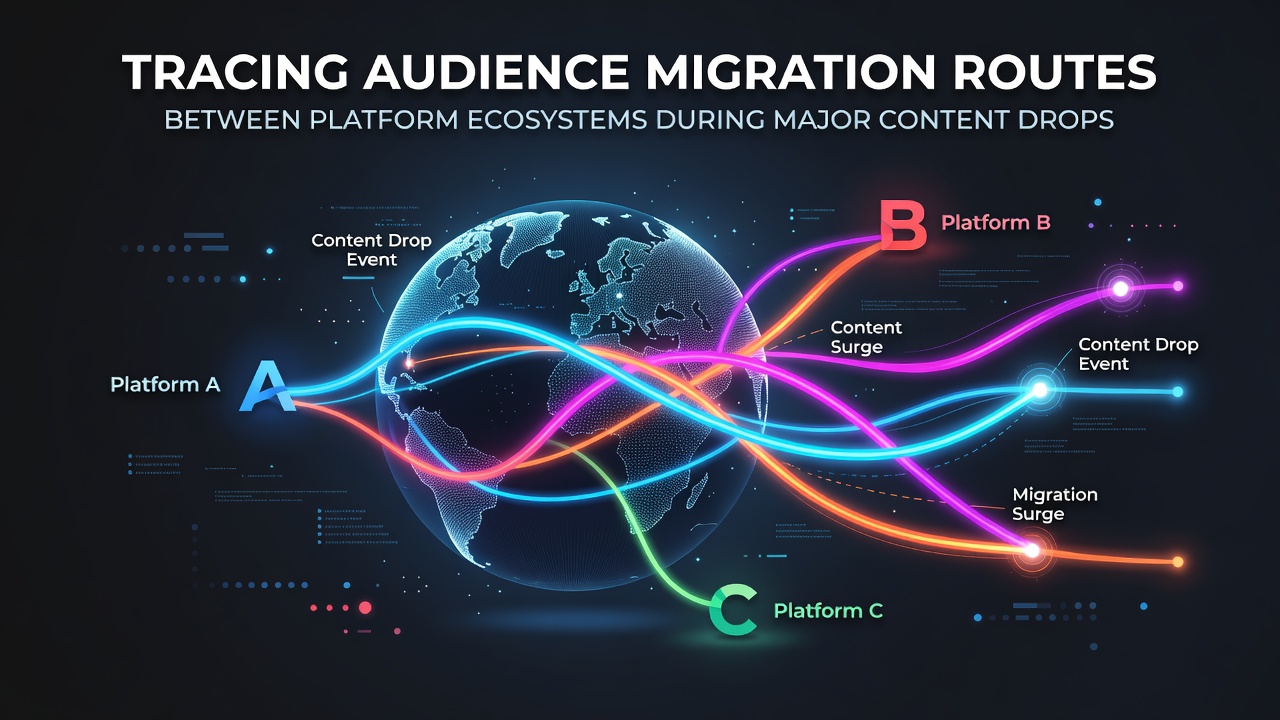
Charting Viewer Movements Across Streaming Networks When Major Releases Hit
Platforms compete fiercely when tentpole series or films launch, and researchers track how subscribers shift attention from one service to another in those windows. Data from analytics firms shows spikes in cross-platform activity, with viewers sampling new libraries or returning to older catalogs once initial hype fades. Studies from the Australian Communications and Media Authority indicate that migration patterns intensify around global premieres, where one ecosystem gains temporary share while others see churn or reactivation rates climb.
Platform Ecosystems and Release Triggers
Each streaming service operates within its own content strategy and user interface design, which shapes how audiences respond to big drops. When a flagship title arrives on one network, engagement metrics often reveal immediate upticks in related searches and recommendations across competitors. Observers note that these events create ripple effects: users who finish a season may explore adjacent genres on rival apps, while others cancel subscriptions only to rejoin later for different exclusives. Research from the Canadian Radio-television and Telecommunications Commission highlights that such migrations correlate with marketing campaigns and social media buzz rather than isolated content quality alone.
June 2026 stands out on industry calendars because multiple studios have scheduled overlapping launches across North American and European markets. Those timelines allow analysts to compare baseline traffic against post-release figures, revealing clear directional flows between services. Companies use aggregated anonymized data to map these routes, focusing on variables like session duration, device type, and genre overlap.
Methods for Tracing Migration Patterns
Analysts rely on a combination of public reports, proprietary dashboards, and academic partnerships to follow audience paths. Tools include API integrations that log sign-up and cancellation events, alongside surveys that capture self-reported switching behavior. A study published by the University of Melbourne's Centre for Media and Communication Research demonstrated how machine-learning models can predict migration likelihood based on viewing history and release schedules. These models process terabytes of metadata to identify clusters of users who move together during peak periods.
External benchmarks add context. Figures released by the European Audiovisual Observatory show that simultaneous drops in the same month produce measurable cross-traffic, particularly when titles share thematic elements or star talent. Researchers cross-reference these numbers with app-store rankings and social listening data to build comprehensive route maps. The process avoids speculation by sticking to verifiable signals such as account creation timestamps and content consumption logs.
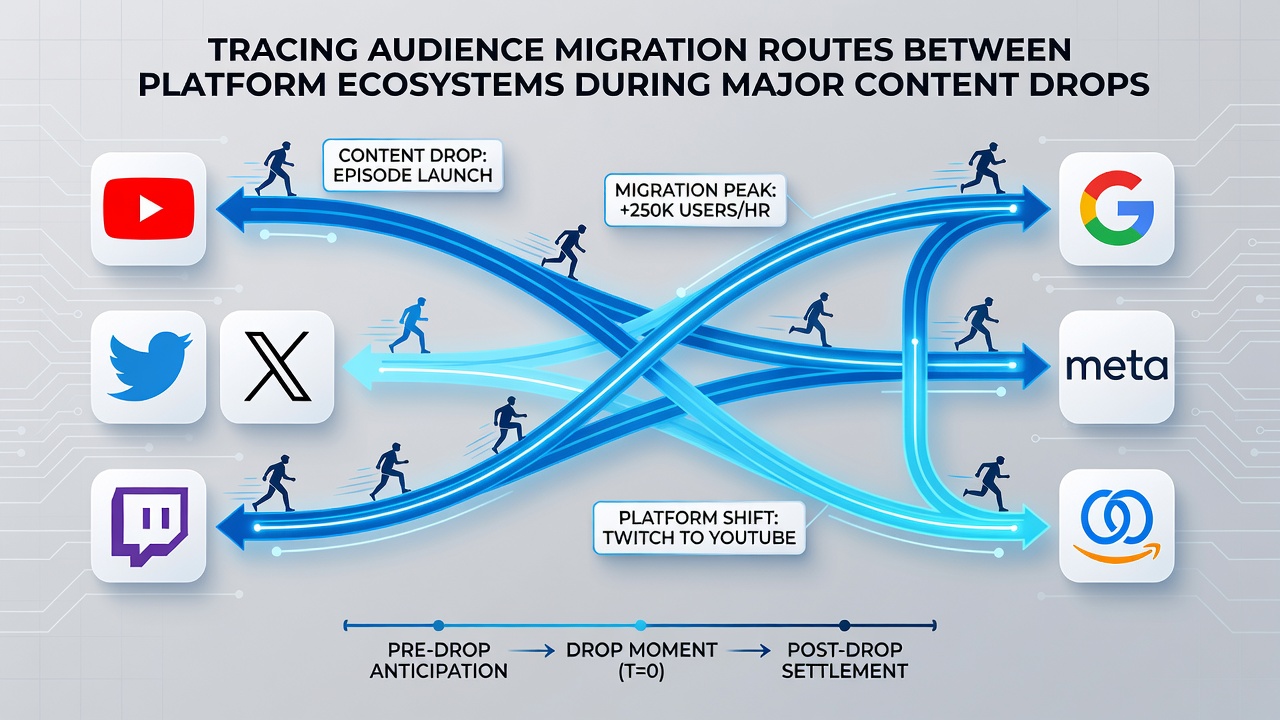
Documented Cases from Recent Drops
Take one major science-fiction series launch in early 2025: subscription data indicated a 12 percent increase in sign-ups for the originating platform within 48 hours, while two competitors recorded elevated browsing sessions among overlapping demographics. Viewers who sampled the new title often returned to their original service within a week, yet a smaller cohort stayed and explored back catalogs. Similar patterns emerged during a fantasy franchise revival later that year, according to reports from the U.S. Federal Communications Commission on broadband usage trends tied to streaming peaks.
Regional differences appear consistently. Markets with higher multi-homing rates, where households maintain several active subscriptions, exhibit smoother transitions, whereas single-service users show sharper spikes followed by quick reversals. Industry organizations such as the Digital Media Research Centre in Australia have compiled case libraries that compare these outcomes across genres, confirming that action and thriller releases drive more temporary migration than documentaries or comedies.
Factors Influencing Route Direction and Duration
Content exclusivity plays a central role, yet interface friction and pricing tiers also steer movement. When one platform lowers its entry barrier through promotions timed with a release, researchers record accelerated inflows from adjacent services. Conversely, strong algorithmic retention on the source platform can shorten migration windows. Data indicates that social sharing amplifies these effects, as recommendation links travel between user groups and prompt trial subscriptions.
Technical infrastructure matters too. Services with robust offline viewing or multi-device syncing retain users longer during high-demand periods, reducing the pull toward competitors. Observers at academic conferences have presented models showing how latency and discovery features interact with release timing to shape overall flow.
Conclusion
Mapping audience routes between platform ecosystems during major content drops relies on layered data sources and consistent methodological standards. Patterns observed through 2025 and into 2026 demonstrate predictable directional shifts tied to release calendars, regional habits, and service features. Continued monitoring by regulatory bodies and research institutions will refine these models, providing clearer pictures of how viewers navigate an expanding array of options.