Decoding Audience Navigation Patterns in Comprehensive Streaming Libraries of Series and Films
Felix Braun · Jun 27, 2026
Decoding Audience Navigation Patterns in Comprehensive Streaming Libraries of Series and Films
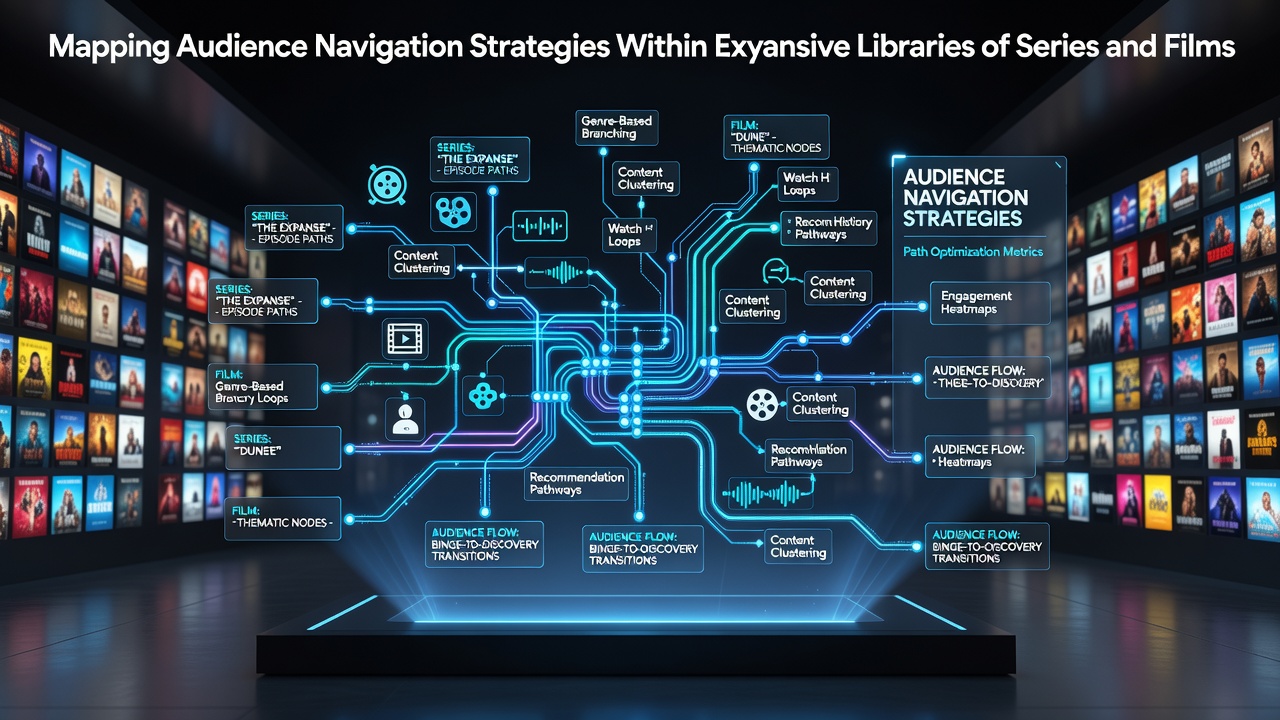
Streaming platforms maintain libraries that now exceed hundreds of thousands of titles, and researchers track how audiences locate specific series and films within these collections. Data from multiple studies show that direct search remains the starting point for many users while browsing behaviors evolve in response to interface design and recommendation systems. Observers note that as catalogs expand, the time spent on initial discovery phases has increased according to metrics collected through 2025 and into June 2026.
Expansion of Digital Content Repositories
Library sizes have grown steadily since the early 2010s, with major services adding thousands of hours of programming each quarter. Figures from industry reports indicate that the average subscriber faces more than 50,000 titles at any given moment, a scale that requires structured navigation tools to prevent overload. European Audiovisual Observatory analysts documented this trend across platforms operating in multiple countries, noting that growth rates accelerated after 2023 when licensing deals expanded regional catalogs.
Users encounter layered organizational systems that include genre tags, release year filters, and cast-based groupings. These elements combine with personalized rows generated by algorithms that draw on viewing history. Research indicates that the balance between manual selection and automated suggestions shifts depending on the device used, with mobile sessions showing higher reliance on search functions than television interfaces.
Documented Navigation Behaviors
Studies of user sessions reveal several consistent patterns. One common route begins with a keyword search that narrows results, followed by examination of thumbnail previews and short descriptions. Another path involves scrolling through curated collections before selecting an entry. Data collected by academic teams at institutions in Canada and Australia show that approximately 40 percent of sessions incorporate at least one filter adjustment before playback begins.
Cross-referencing appears frequently, where viewers move from one title to related content through shared actors or thematic connections. Platforms facilitate this movement with “more like this” sections and cast lists that link directly to additional entries. Observers have recorded that these lateral moves increase retention when the suggestions align closely with demonstrated preferences.
Algorithmic Influence on Discovery
Recommendation engines process signals such as watch duration, pause points, and repeat views to reorder content displays. Reports compiled by research groups demonstrate that these systems account for a substantial portion of selections once users move beyond initial searches. Adjustments to ranking formulas occur regularly, with updates in early 2026 incorporating additional contextual data like time of day and device type.
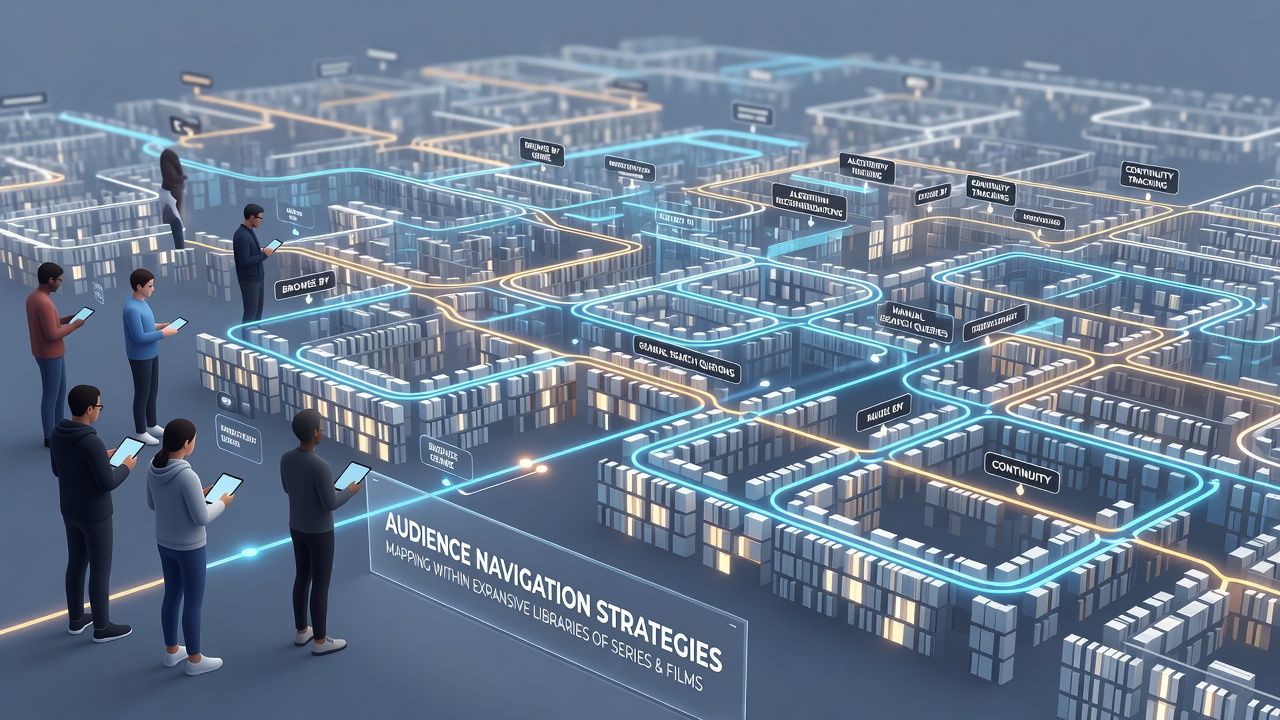
Metadata tagging plays a central role in connecting titles across genres and languages. Accurate labeling allows systems to surface hybrid content that might otherwise remain undiscovered. Analysts tracking engagement metrics note that improved tagging correlates with longer average session lengths in repositories containing international productions.
Regional Variations and Platform Differences
Navigation strategies differ by geographic market. Viewers in regions with higher subtitle usage tend to explore foreign-language titles more readily when search tools support transliteration and original titles. In contrast, audiences in markets dominated by local productions show stronger use of language and country filters. Government statistical agencies in several countries have begun including streaming navigation questions in household media surveys, providing broader datasets for comparison.
Platform-specific designs also shape behavior. Services that emphasize row-based browsing encourage vertical scrolling, while those with prominent search bars see more targeted queries. Comparative analyses published in media studies journals highlight how these interface choices influence the proportion of planned versus spontaneous selections.
Measurement and Future Tracking
Analytics teams employ heat maps, clickstream data, and A/B testing to map navigation efficiency. Results from these efforts feed into interface revisions released throughout the year. By June 2026, several major platforms had introduced enhanced voice search options and visual similarity tools that allow users to locate titles based on thumbnail resemblance.
Continued collection of session-level data supports refinement of both manual tools and automated suggestions. Organizations monitoring digital media consumption emphasize the value of longitudinal studies that follow the same user cohorts over multiple years to identify stable versus shifting patterns.
Conclusion
Mapping audience navigation within expansive libraries requires ongoing analysis of search patterns, browsing sequences, and algorithmic outputs. Evidence gathered across regions and platforms demonstrates that users combine multiple strategies depending on context, device, and content type. Continued documentation of these behaviors provides the foundation for interface improvements that help viewers locate desired series and films efficiently within growing collections.