Decoding Thumbnail Algorithms: Visual Triggers Linking Indie Films to Niche Audience Discovery Patterns
Ben Hartmann · Jun 18, 2026
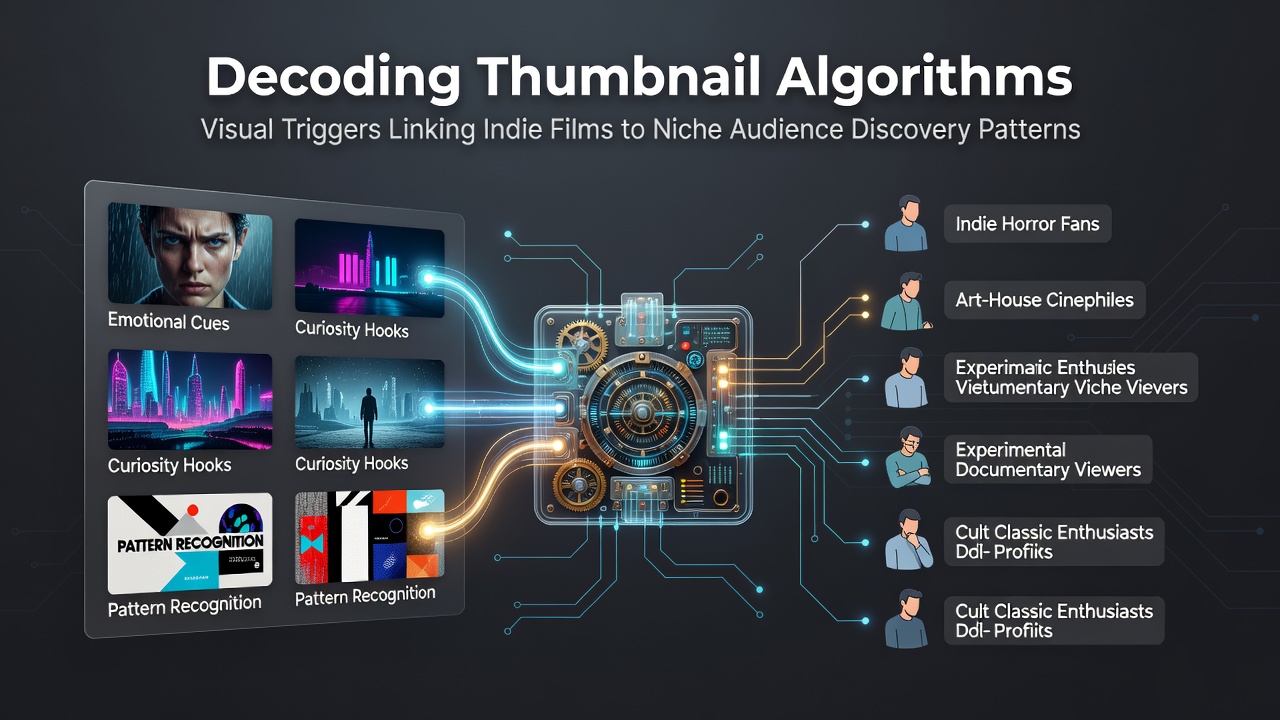
Decoding Thumbnail Algorithms: Visual Triggers Linking Indie Films to Niche Audience Discovery Patterns
Thumbnail algorithms operate as core components within streaming recommendation systems where they process visual data to predict user engagement with lesser-known titles, and these mechanisms have grown more sophisticated by June 2026 as platforms integrate advanced computer vision models that parse elements such as facial expressions, color palettes, and compositional framing in real time. Researchers at institutions across multiple regions have documented how these systems analyze pixel-level features to surface indie productions for viewers who show persistent interest in specific subgenres, creating pathways that traditional marketing channels often overlook.
Core Mechanics of Visual Feature Detection
Platforms deploy convolutional neural networks that identify high-contrast elements including close-up faces, vibrant hue clusters, and overlaid text that signals emotional tone or genre cues, while the process begins with automated cropping that prioritizes central subjects before layering metadata tags derived from viewer interaction histories. Data from the European Audiovisual Observatory indicates that thumbnails incorporating human faces with direct gaze direction generate higher initial click rates across catalog titles, yet the same reports note variations by region where audiences in Australia respond more strongly to landscape-oriented compositions in documentary-adjacent indie works.
Engineers refine these models through iterative training on large datasets of past viewing sessions, and the resulting triggers extend beyond simple aesthetics to include subtle signals like lighting temperature that correlate with niche categories such as slow cinema or found-footage horror. Observers note that adjustments made in early 2026 improved detection accuracy for hybrid genre films, allowing algorithms to link visual motifs from one indie title to viewer clusters that previously engaged with comparable international productions.
Pathways from Indie Releases to Specialized Viewers
Indie filmmakers submit assets through standard upload portals where automated systems evaluate thumbnail candidates against performance benchmarks pulled from similar catalog entries, and this evaluation often favors compositions that echo successful patterns observed in micro-genre clusters like arthouse sci-fi or regional folk horror. One analysis conducted by teams at Canadian research centers revealed measurable lifts in discovery rates when thumbnails featured desaturated color grading paired with minimal text, a combination that aligned with audience persistence metrics for films outside mainstream distribution circuits.
These visual matches operate in tandem with collaborative filtering layers that cross-reference thumbnail interactions with watch time data, creating feedback loops that accelerate exposure for titles sharing aesthetic DNA with established niche favorites. Platforms have recorded instances where a single thumbnail revision increased impressions for an independent drama by factors exceeding baseline catalog averages, demonstrating how targeted visual adjustments bridge gaps between production scale and audience reach.
Patterns in Niche Audience Engagement
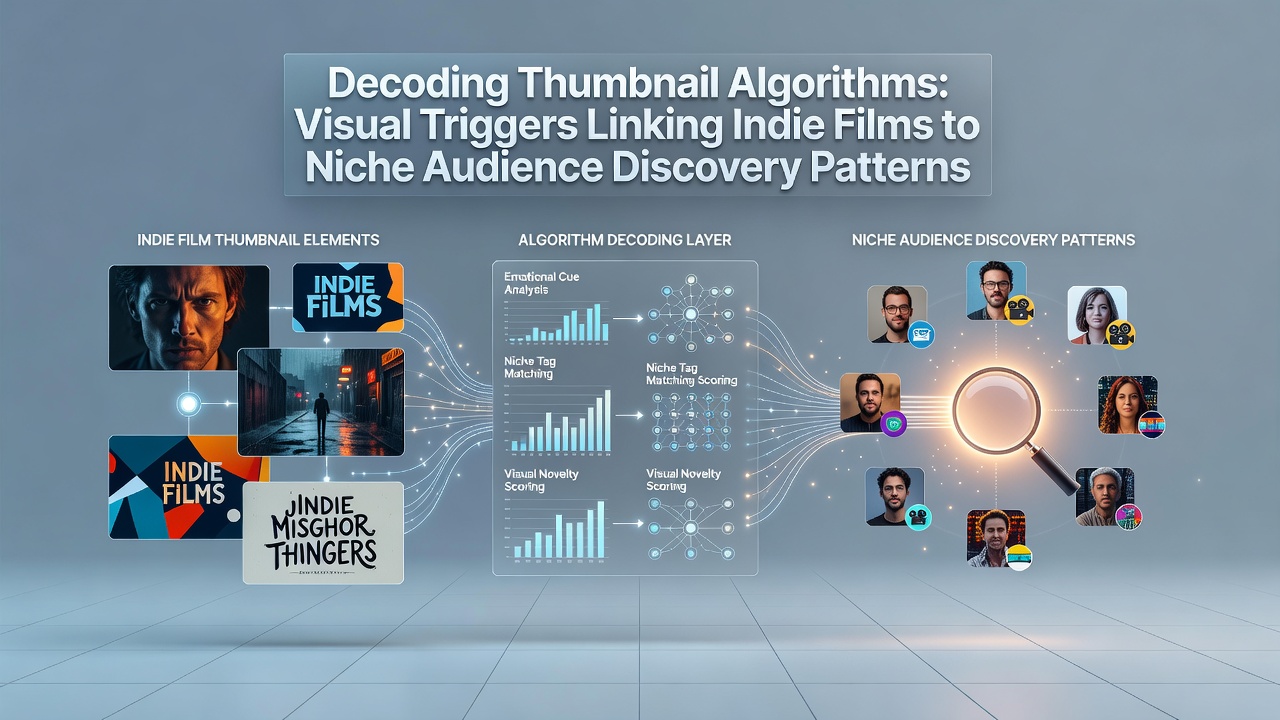
Engagement studies track sequences that begin with thumbnail selection and extend through completion rates, revealing that certain visual triggers sustain attention longer among viewers who favor experimental narratives over conventional plots. Figures released by the Australian Communications and Media Authority in 2025 showed elevated session durations for users routed via thumbnails emphasizing atmospheric lighting, particularly in categories that blend elements from multiple genres. Those patterns hold across demographic segments yet display geographic differences, with European users demonstrating stronger retention when thumbnails highlight symbolic imagery rather than literal scene representations.
Algorithms continue to evolve by incorporating session-level signals that adjust thumbnail prominence dynamically, and this adaptability has proven effective at connecting hybrid indie works to fragmented audience pockets that traditional search functions rarely capture. Researchers tracking these journeys emphasize the role of repeated exposure testing, where platforms cycle through thumbnail variants until optimal combinations emerge for each micro-audience segment.
Integration with Broader Recommendation Frameworks
Thumbnail outputs feed into larger ranking systems that weigh visual performance against factors including subtitle language availability and regional licensing constraints, creating multi-layered discovery environments where indie films gain visibility without reliance on high-budget promotional campaigns. Industry reports compiled through 2026 highlight how these integrations reduce the time from upload to first meaningful viewer contact, particularly for titles originating outside dominant production hubs. The systems also account for device-specific rendering differences, ensuring that mobile thumbnails maintain key visual triggers when scaled down from desktop versions.
Cross-platform comparisons indicate that services prioritizing thumbnail experimentation achieve more consistent discovery outcomes for niche content, whereas static approaches show lower conversion from impression to play. Data collected across North American and Asian markets points to similar underlying mechanisms despite variations in interface design and content licensing models.
Conclusion
Thumbnail algorithms continue to shape how indie films reach specialized viewers by translating visual characteristics into predictive signals that align with documented audience behaviors, and ongoing refinements through mid-2026 have expanded their precision in identifying connections across genre hybrids and regional preferences. These mechanisms operate within established technical and regulatory frameworks that prioritize measurable engagement metrics, delivering structured pathways for content discovery without requiring subjective interpretation of artistic intent.