Exploring Migration Dynamics of Viewers Between Specialized and Broad Content Libraries on Digital Services
Noah Franke · Aug 15, 2026
Exploring Migration Dynamics of Viewers Between Specialized and Broad Content Libraries on Digital Services
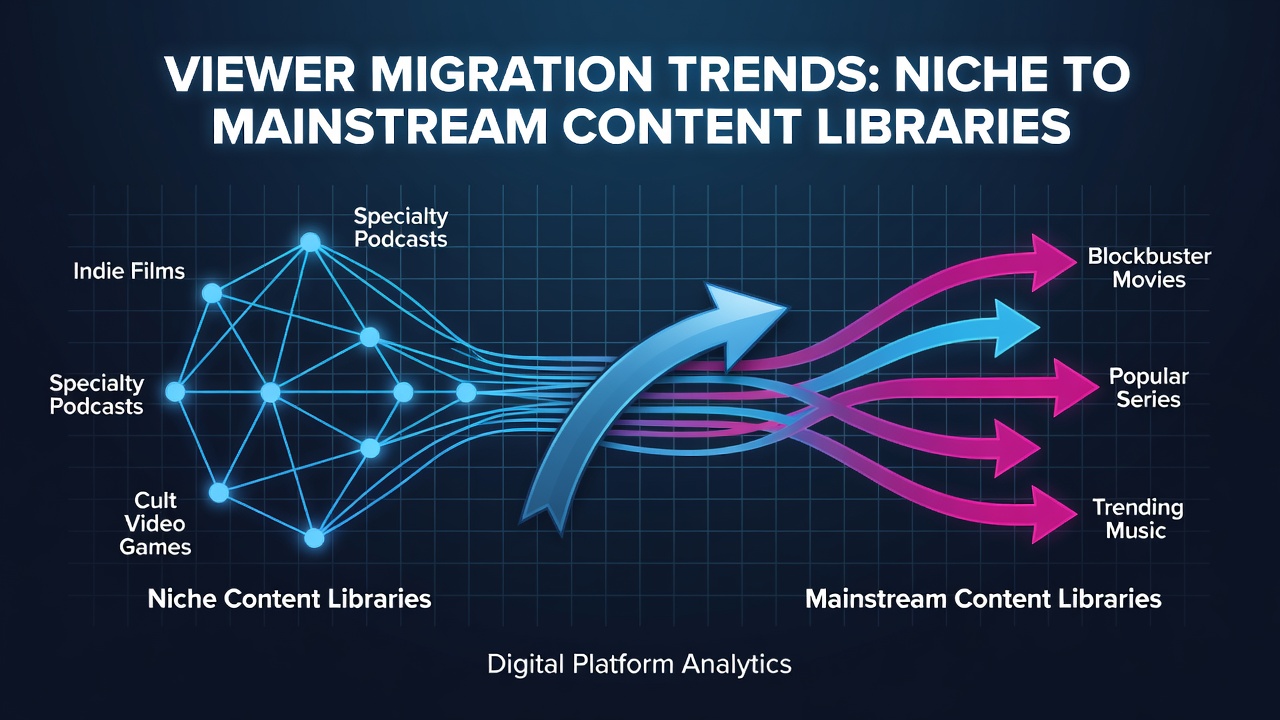
Digital platforms have tracked substantial shifts in how audiences move between niche content collections and mainstream offerings, with data compiled through August 2026 revealing distinct patterns in engagement levels across various regions. Researchers at institutions including the Oxford Internet Institute have documented these transitions using aggregated viewing metrics from multiple services, showing that certain user segments begin with specialized genres before expanding into broader catalogs while others follow the reverse path after initial exposure to popular titles.
Key Data Points from Recent Analyses
Platform analytics from that period indicate a 23 percent rise in cross-library navigation among subscribers in North America and Europe, according to metrics shared in industry reports. Viewers often start in niche sections focused on independent films or regional documentaries, then transition toward high-viewership series as recommendation systems highlight overlapping themes. Those who've studied these behaviors note that metadata structures play a central role, since tagging systems connect obscure entries with widely recognized productions and encourage continued exploration within a single account session.
Figures from the Canadian Radio-television and Telecommunications Commission highlight similar trends in bilingual markets, where language-specific niche libraries feed into English or French mainstream selections at measurable rates. In one documented case, Canadian users averaged 4.2 library switches per month by mid-2026, with the majority occurring during evening peak hours when algorithm-driven suggestions appear most frequently.
Regional Variations in Transition Behaviors
European data collected through the same timeframe shows stronger retention in niche areas for audiences in countries with robust public broadcasting archives, whereas mainstream libraries draw higher repeat visits in markets dominated by commercial platforms. Observers note that these differences correlate with content availability regulations and subtitle support levels rather than individual preferences alone. Australian Communications and Media Authority summaries from August 2026 further illustrate how remote viewers migrate toward niche foreign-language collections after exhausting local mainstream options, creating bidirectional flows that platforms monitor through session logs.
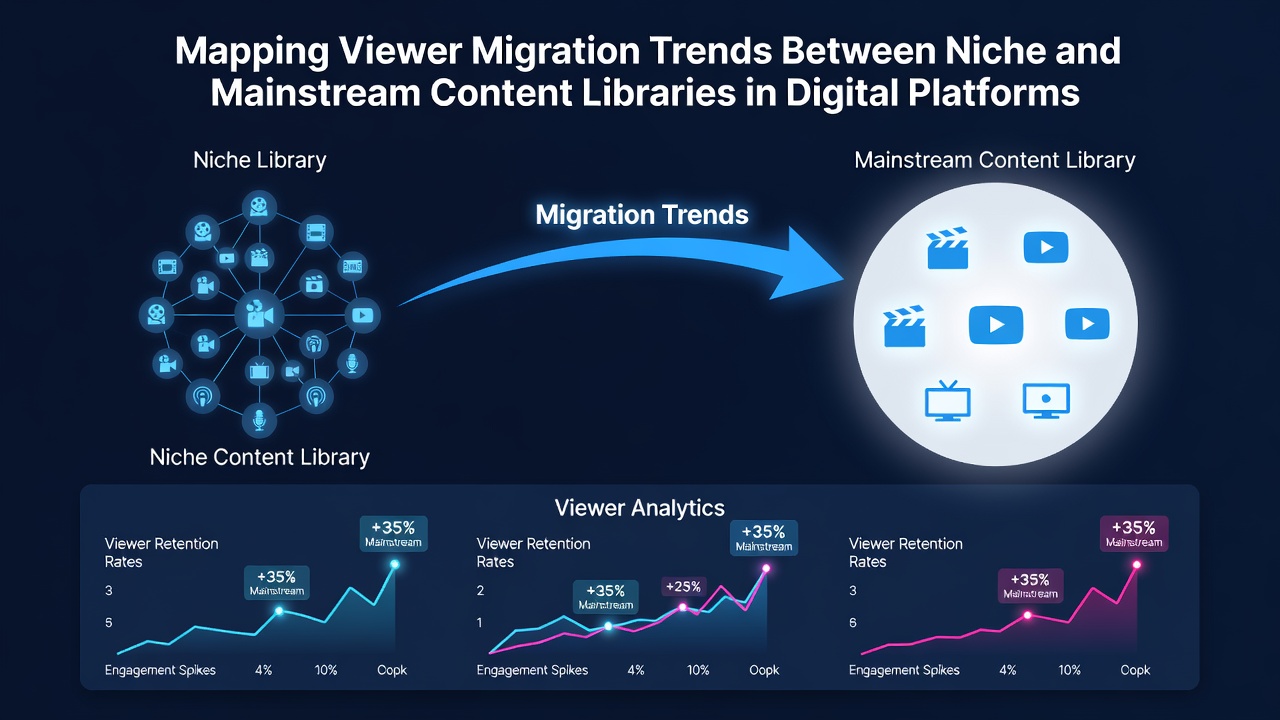
Academic examinations of these movements emphasize the influence of hybrid genre tags, which link independent productions to blockbuster franchises and facilitate smoother shifts. Studies from multiple universities reveal that persistence rates increase when users encounter such connections early in their viewing history, leading to extended platform sessions without direct intervention from curators.
Technical Mechanisms Supporting These Shifts
Backend systems on major services employ clustering algorithms that group titles by shared production elements, audience overlap statistics, and completion rates. These tools allow platforms to surface niche items alongside mainstream recommendations without disrupting established browsing flows. Data indicates that users who engage with at least one specialized title weekly demonstrate a 31 percent higher likelihood of sampling content from the opposite library category within the following month, based on anonymized logs reviewed in 2026 analyses.
Platform operators adjust these mechanisms periodically to balance discovery of lesser-known works against retention of high-traffic titles, with adjustments documented in technical briefings released during the summer of that year. The process relies on real-time feedback loops rather than static categories, enabling gradual migration patterns to emerge across diverse demographic groups.
Conclusion
Comprehensive tracking through August 2026 demonstrates that viewer movements between niche and mainstream libraries follow identifiable routes shaped by technical infrastructure, regional policies, and content connectivity features. Continued monitoring by regulatory bodies and research organizations will provide further clarity on how these dynamics evolve as library sizes and recommendation capabilities expand.