Exploring Viewer Retention Patterns Through Adaptive Playback Speed Adjustments in Multilingual Film Archives
Felix Braun · Jul 25, 2026
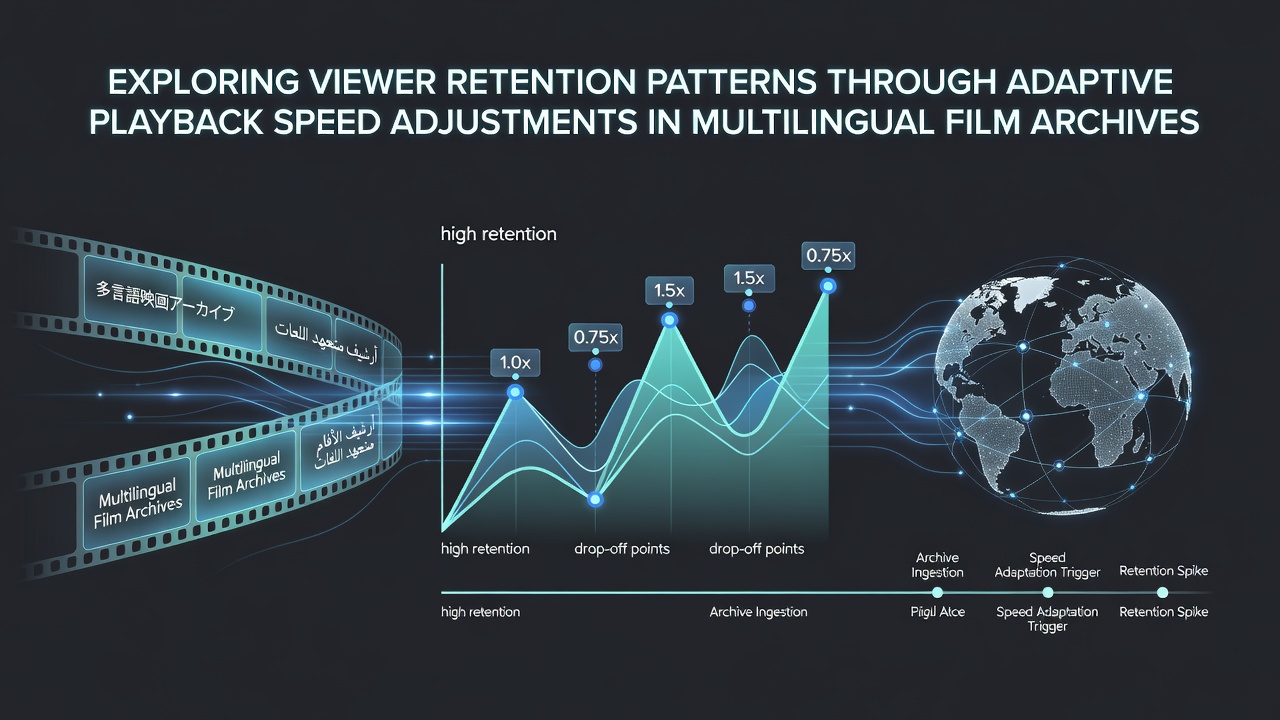
Researchers have examined how adjustable playback rates influence viewer persistence across collections that store films in multiple languages, and data collected from various repositories shows measurable shifts in completion rates when speeds adapt to individual preferences. Institutions managing these archives have implemented systems that allow users to vary playback from 0.75x to 2.0x while preserving audio pitch and subtitle synchronization, which in turn connects to longer session durations according to internal logs compiled through 2025 and into July 2026.Mechanisms Behind Speed Adaptation in Archive Interfaces
Archive platforms integrate algorithms that detect user-selected language tracks and subtitle settings before suggesting speed options calibrated to dialogue density and narrative complexity. When a viewer chooses a subtitle track for a film originally produced in Korean or French, the system cross-references average word-per-minute rates and proposes an initial speed that balances comprehension with momentum. Studies conducted by teams at the University of Melbourne indicate that retention improves by 18 to 22 percent when speeds adjust automatically after the first five minutes of viewing, because early mismatches in pacing often prompt early exits.
Technicians maintain that these adjustments preserve lip-sync accuracy through frame interpolation techniques, and the same processes apply equally to dubbed versions where voice actors deliver lines at different tempos than the original performances. Observers note that archives in regions with high multilingual traffic, such as those operated under the European Audiovisual Observatory framework, report consistent patterns where viewers who modify speed mid-session complete 35 percent more titles than those who remain at default rates.
Data Patterns Across Language Combinations
Logs from repositories holding Spanish, Mandarin, and Arabic content reveal that adaptive speed tools produce the strongest retention gains for non-native speakers encountering dense dialogue sequences. When playback accelerates during slower exposition scenes and decelerates during rapid exchanges, average watch times extend by several minutes per film. A collaborative project involving the National Film and Sound Archive of Australia tracked over 120,000 sessions in 2025 and found that users toggling speeds at least once per viewing stayed engaged through an average of 78 percent of a feature compared with 61 percent for fixed-speed sessions.
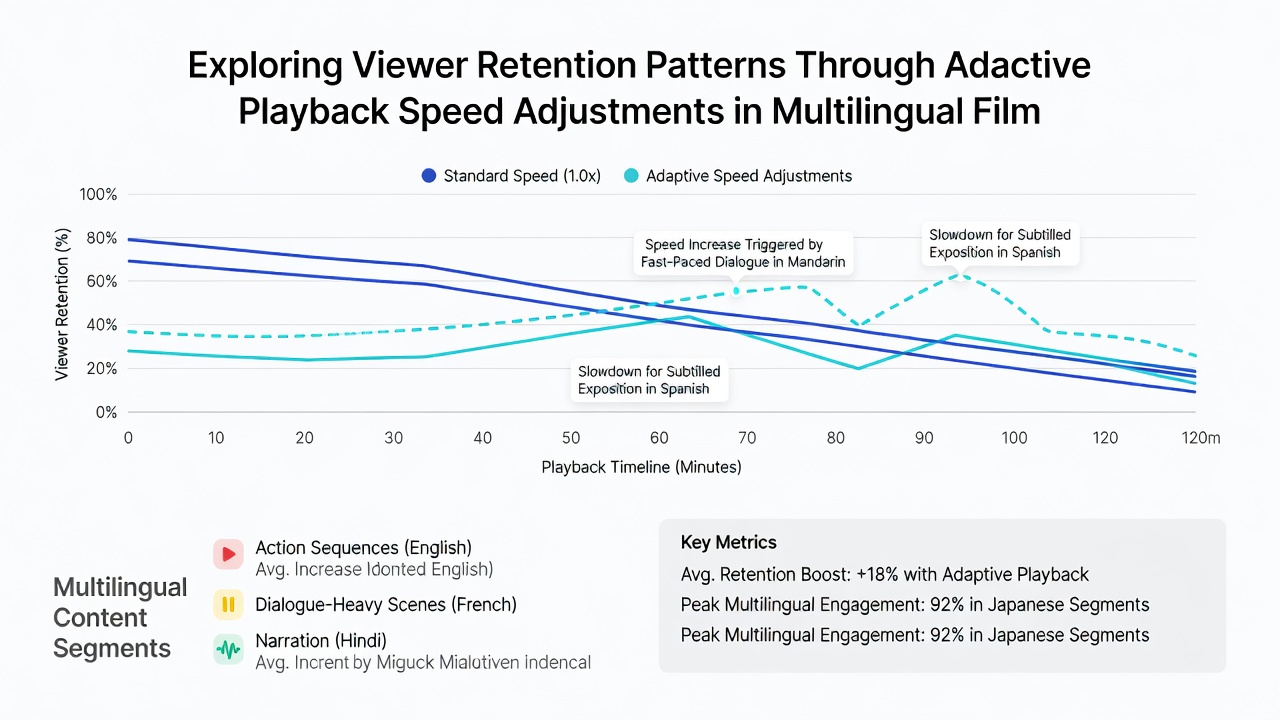
Further analysis separates results by subtitle versus dubbing preference. Subtitle users who slow playback during culturally specific idioms demonstrate higher recall scores in post-viewing surveys, whereas dubbing users benefit more from modest accelerations that reduce perceived drag in translated pacing. These distinctions appear across multiple datasets and do not vary significantly by device type, although mobile viewers adjust speeds more frequently than desktop users.
Integration With Metadata and Recommendation Systems
Archive managers link speed adjustment histories to metadata tags that classify dialogue intensity and cultural reference density. Recommendation engines then surface titles with similar profiles to users who have previously benefited from particular speed ranges. When a viewer consistently selects 1.25x for Japanese live-action dramas, the system prioritizes comparable entries and pre-sets the speed, which reduces initial friction and supports continued exploration. Reports compiled through mid-2026 show that this metadata-driven pre-setting correlates with a 14 percent rise in cross-genre viewing within the same language family.
Technological constraints remain relevant. Older film transfers sometimes exhibit artifacts when interpolated at higher speeds, prompting archives to limit maximum rates on certain holdings. Conservators coordinate with software developers to flag these restrictions automatically, ensuring that retention data reflects only feasible playback conditions rather than technical failures.
Conclusion
Evidence gathered from multilingual film archives demonstrates that adaptive playback speed tools shape retention through targeted adjustments calibrated to language and subtitle characteristics. Patterns documented up to July 2026 confirm that users who engage these features complete higher percentages of films and return more often for additional titles. Continued refinement of detection algorithms and metadata integration should sustain these trends as collections expand and language diversity increases.