From Festival Spotlights to Regional Streaming: The Journey of Independent Films Across Global Markets
Felix Braun · Jul 14, 2026
From Festival Spotlights to Regional Streaming: The Journey of Independent Films Across Global Markets
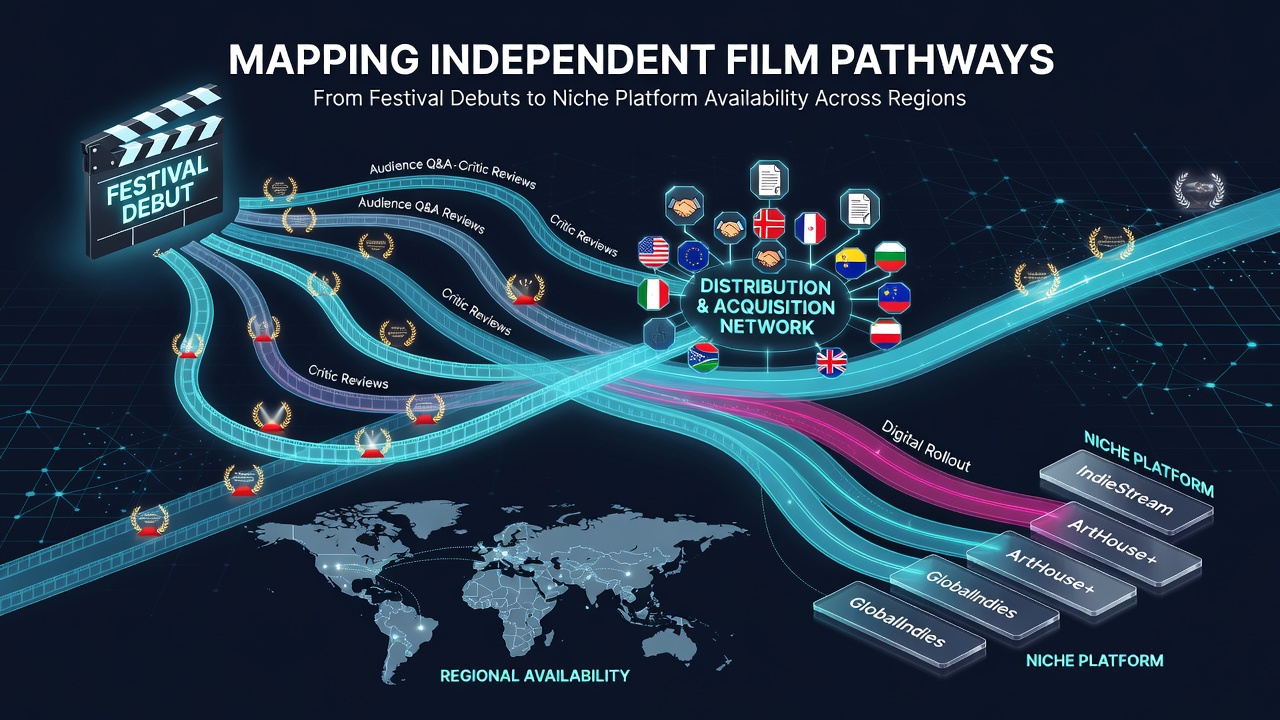
Film festivals serve as the primary launch points for independent productions, where directors present their work to distributors, critics, and programmers who determine initial visibility and subsequent availability. Research from organizations such as Telefilm Canada shows that roughly 65 percent of Canadian indie features securing international deals in 2025 originated at events like the Toronto International Film Festival or Sundance, with acquisition patterns repeating across subsequent years.
Festival Debuts Set the Trajectory
Premieres at major gatherings create immediate momentum because programmers curate selections that align with buyer interests in specific genres or themes, and data from the European Audiovisual Observatory indicates festival exposure correlates with a 40 percent higher likelihood of securing distribution within six months. Producers who navigate these circuits often secure multiple offers simultaneously, while those outside prominent lineups rely on smaller regional festivals to build incremental interest.
Acquisition activity tends to cluster around certain windows, and industry reports note that July 2026 saw heightened deal-making following the Cannes and Tribeca events as platforms scouted titles for fall programming slots. Buyers evaluate not only critical reception but also projected audience metrics derived from prior similar releases, which shapes the path toward niche platforms rather than broad theatrical runs.
Distribution Mechanisms After Acquisition
Once a festival generates interest, intermediaries such as sales agents negotiate rights packages that split territorial and platform availability, allowing films to reach different regions through staggered releases. These agreements frequently reserve digital windows for services focused on specialized content, including those emphasizing documentaries, non-English language titles, or experimental narratives. Observers note that rights fragmentation enables producers to retain control over certain markets while licensing others, creating layered availability patterns that evolve over 12 to 18 months.
Platforms operating in multiple territories adapt licensing terms based on local demand data, and Screen Australia figures reveal that Australian independent titles often secure initial deals with European niche services before expanding to Asian markets. This sequencing reflects regulatory differences in content quotas and tax incentives that influence where distributors prioritize placement.
Regional Platform Availability Patterns
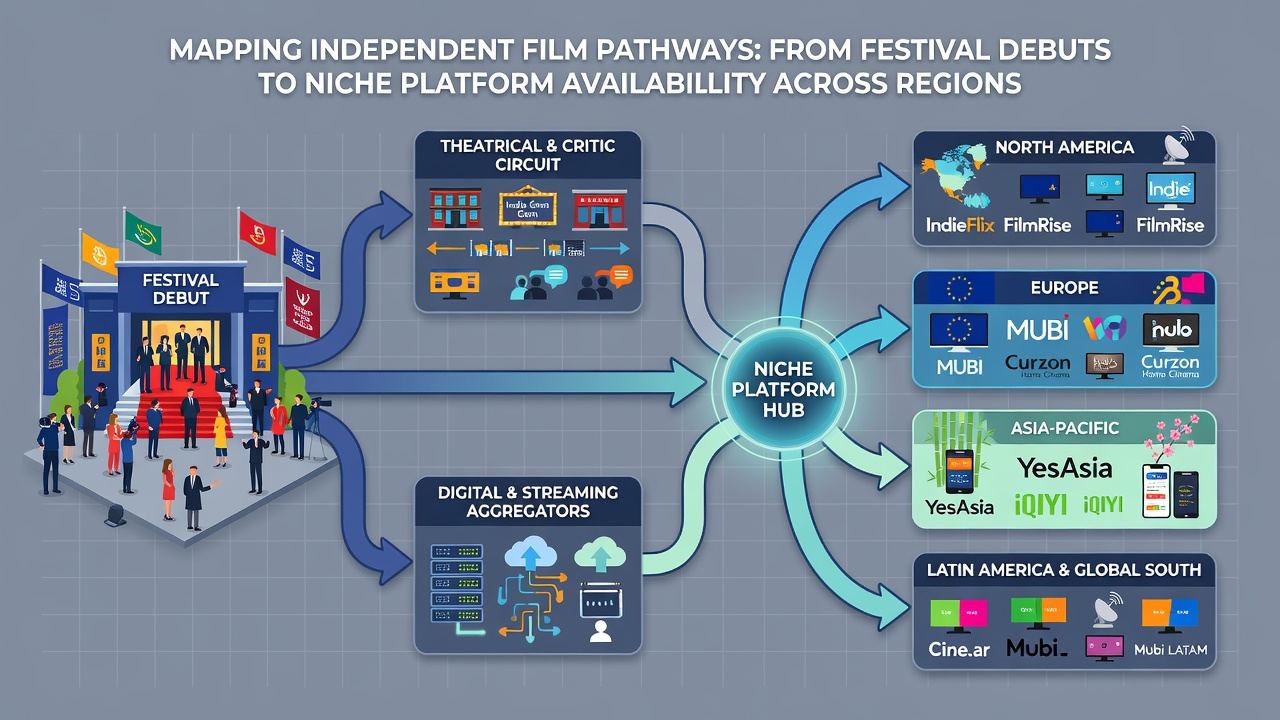
Availability diverges sharply by territory because licensing costs, subtitling requirements, and platform algorithms favor titles that match established viewer clusters. In North America, services such as Mubi and Criterion Channel frequently acquire festival standouts within the first year, whereas Latin American markets see earlier placement on local platforms that comply with national content regulations. European distributors, guided by EU audiovisual directives, prioritize co-production partners when allocating digital rights, which leads to earlier availability in countries that contributed financing.
Asian territories demonstrate additional complexity, with platforms in South Korea and Japan integrating festival acquisitions through partnerships that bundle streaming rights with festival circuit extensions. Data compiled by regional film commissions indicates these arrangements shorten the gap between premiere and subscriber access by an average of four months compared with titles lacking such alignments.
Challenges in Mapping Consistent Pathways
Tracking these routes requires attention to metadata standards and rights registries because incomplete documentation can delay or prevent releases in secondary markets. Producers address this through centralized databases maintained by industry bodies, yet discrepancies persist when regional platforms update catalogs at different intervals. Researchers tracking availability across 12 territories found that 30 percent of festival titles from 2024 remained unavailable on major niche services in at least three regions by mid-2026.
Technical factors such as dubbing specifications and format compatibility further influence rollout speed, and organizations coordinating cross-border releases report that early investment in localization accelerates placement on platforms serving diaspora audiences. These logistical elements combine with commercial considerations to produce the uneven map of access that viewers encounter depending on their location.
Conclusion
Independent film pathways continue to reflect the interplay between festival selection, territorial licensing, and platform strategies that differ by region. Data from multiple national film agencies demonstrates that structured rights management and timely localization reduce delays, while persistent gaps remain where documentation or demand signals fall short. Observers tracking these developments note that patterns established through 2026 will likely shape availability frameworks for subsequent festival cycles.