Infrastructure Behind Seamless Playback: Data Center Networks Powering Instant Global Video Access
Felix Braun · Jul 28, 2026
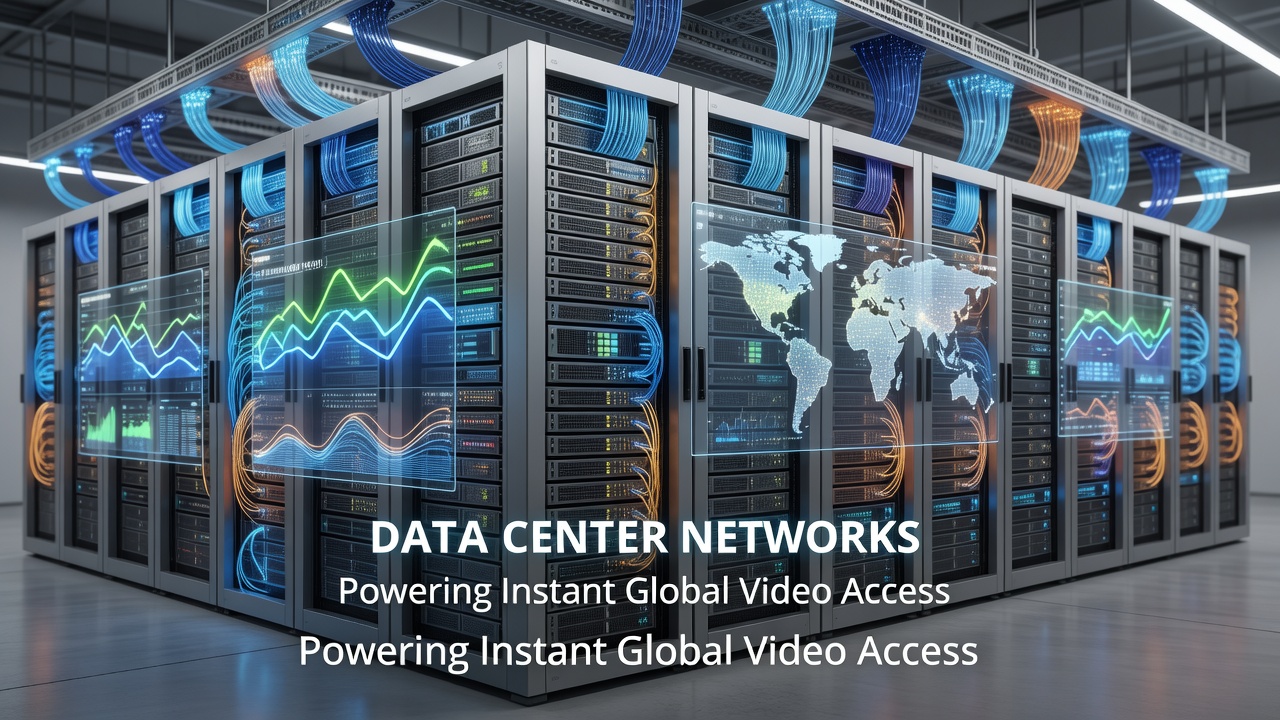
Infrastructure Behind Seamless Playback: Data Center Networks Powering Instant Global Video Access
Data centers form the core of modern video delivery systems, where massive server farms process and route streams to users across continents, and operators maintain these facilities to handle peak demands that spike during evening hours in multiple time zones simultaneously. These facilities connect through high-capacity fiber networks that reduce transmission delays while supporting resolutions up to 8K in real time.
Core Components of Data Center Networks
Inside each facility, redundant power supplies and cooling systems keep equipment running without interruption, whereas network switches and routers direct traffic along optimized paths that avoid congestion points. Researchers at institutions like the University of Melbourne have documented how these setups achieve sub-50-millisecond latencies for cross-oceanic deliveries, and figures from industry reports show annual bandwidth growth exceeding 30 percent in major hubs. Operators deploy software-defined networking to reroute packets dynamically, which allows adjustments when one link experiences overload during live events or seasonal viewing surges.
Edge Computing and Content Distribution
Edge nodes positioned closer to end users cache popular titles in advance, and this placement cuts the distance data must travel so playback starts almost immediately after a request. In July 2026, expansions in European edge facilities are scheduled to add capacity in regions where fiber backbones have reached saturation, according to updates from the European Commission on digital infrastructure. Such developments build on existing points of presence that already number in the thousands worldwide, and they integrate with backbone carriers to maintain consistent quality even when viewer numbers climb into the millions for a single title.
Bandwidth Management and Latency Reduction
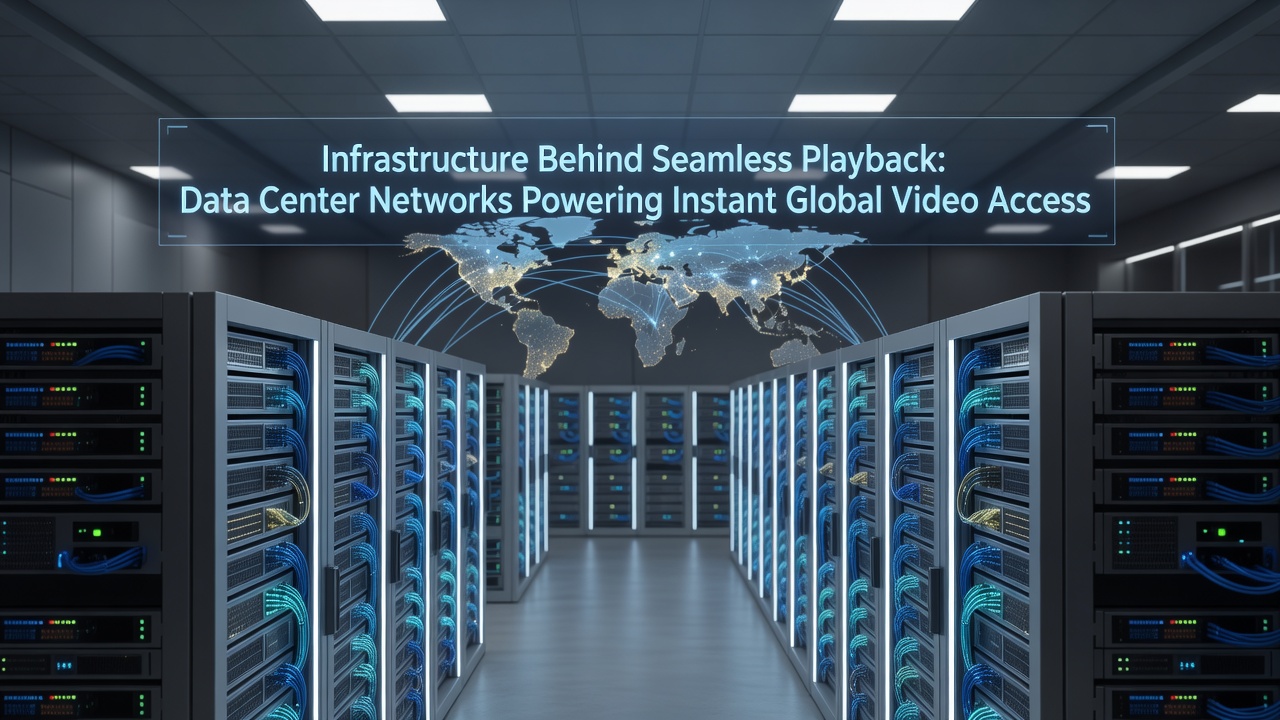
Techniques such as adaptive bitrate streaming adjust quality on the fly based on available bandwidth, while protocols like QUIC replace older TCP methods to cut handshake times and improve reliability over lossy connections. Data from the International Telecommunication Union indicates that these protocols now underpin a growing share of video traffic in Asia-Pacific markets, and similar adoption rates appear in North American networks where providers report measurable drops in buffering incidents. Redundant paths between data centers ensure that a failure in one route triggers automatic failover within seconds, which keeps streams uninterrupted for viewers who might otherwise encounter pauses.
Security and Scalability Measures
Encryption layers protect streams during transit, and access controls limit unauthorized pulls from the origin servers that store master copies. Scalability comes from virtualization that lets operators spin up additional instances during demand spikes without physical hardware additions, and this approach supports the shift toward hybrid cloud models that combine private facilities with public providers. Observers note that energy efficiency improvements, including liquid cooling retrofits in older buildings, have lowered operational costs while meeting regulatory targets set by bodies such as Australia's Department of Climate Change, Energy, the Environment and Water.
Global Interconnections and Future Capacity
Undersea cables and terrestrial fiber links form the mesh that ties regional data centers together, and capacity upgrades on routes like those crossing the Atlantic have doubled available throughput in recent years. These connections allow content providers to replicate libraries across multiple continents so users in distant locations pull from the nearest available node rather than a central origin. Studies from the OECD highlight how such geographic distribution reduces overall network load and supports the continued rise in average session lengths for on-demand viewing.
Conclusion
Collectively these elements create the foundation for reliable access that users experience as seamless playback, and ongoing investments in fiber density plus intelligent routing continue to push performance boundaries. The networks evolve in response to measured demand patterns rather than speculation, with each upgrade cycle delivering incremental gains in speed and resilience across the system.