Infrastructure Obstacles in Delivering New Releases to Isolated Viewers
Ben Vogel · Aug 13, 2026
Infrastructure Obstacles in Delivering New Releases to Isolated Viewers
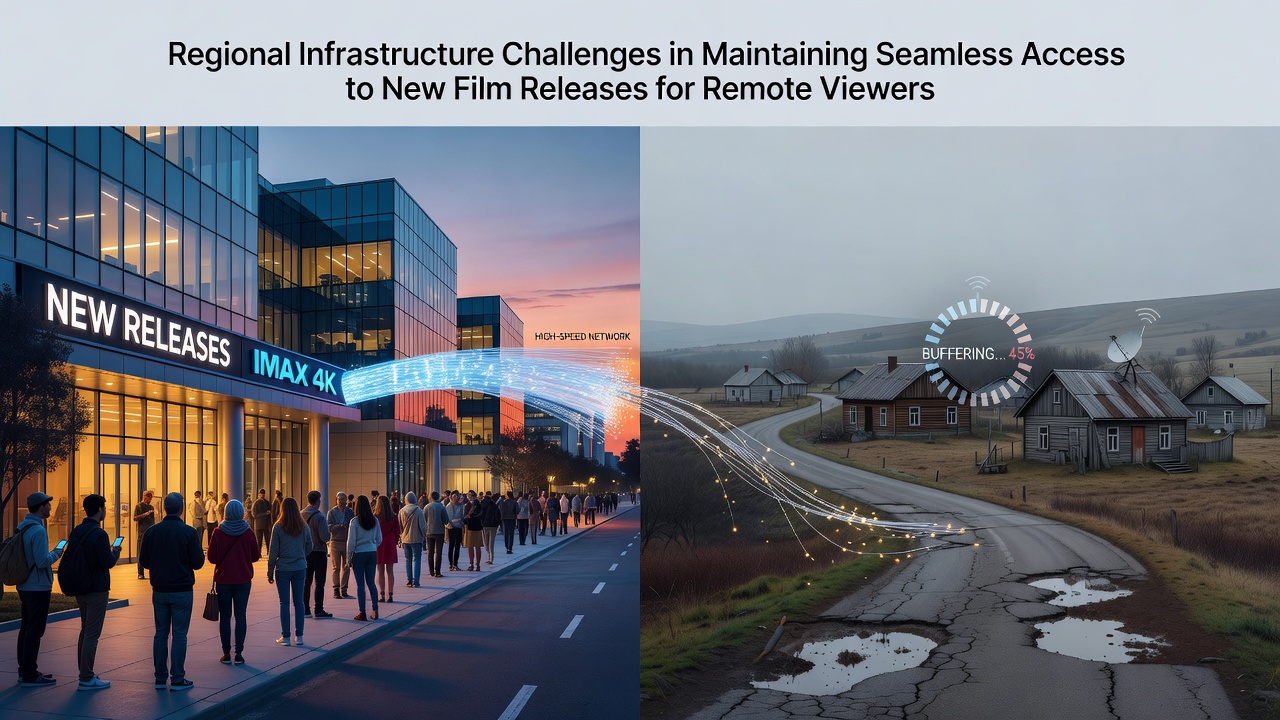
Regional infrastructure challenges continue to shape how remote viewers gain access to new film releases, with broadband capacity and network reliability forming core barriers across multiple continents. Data from regulatory bodies show that rural and isolated communities often encounter inconsistent download speeds that fall short of the requirements for high-definition or 4K streaming services, especially during peak release windows when demand surges simultaneously across regions.
Geographic Variations in Network Capacity
Researchers have documented pronounced differences between urban centers and remote zones in North America, where the Federal Communications Commission reports reveal that millions of rural households still lack access to minimum broadband thresholds needed for uninterrupted playback of recent theatrical titles. These gaps widen during summer months when new blockbusters typically debut, forcing viewers to contend with buffering delays or reduced quality settings that disrupt narrative flow.
European Commission assessments similarly highlight disparities in mountainous and island communities, where fiber optic rollout lags behind coastal cities and satellite alternatives introduce latency that affects synchronized subtitle delivery or multi-language audio tracks. Observers note that such conditions persist even as content providers expand their catalogs, leaving remote audiences dependent on older compression standards.
Bandwidth Demands During Release Cycles
Streaming platforms require sustained speeds above 25 megabits per second for seamless 4K presentation, yet studies from academic institutions in Australia indicate that many outback regions average well below this mark during evening hours when new releases drop. Content delivery networks must route traffic through congested nodes, and the resulting packet loss compounds when multiple households in a single area attempt simultaneous access to the same title.
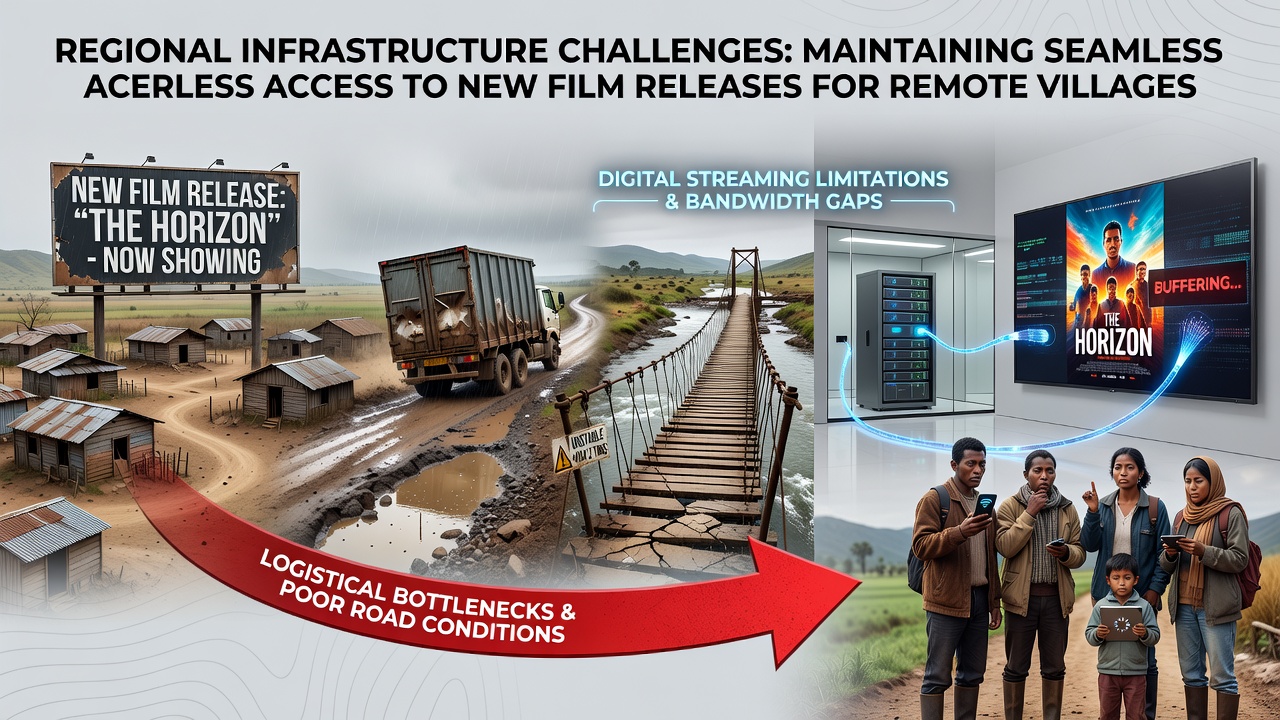
Canadian regulatory data collected through the Canadian Radio-television and Telecommunications Commission further underscores how seasonal population shifts in northern territories strain existing backhaul links, particularly around August 2026 when several major studio releases coincided with back-to-school scheduling adjustments. Viewers in these zones frequently report fallback to standard definition options that diminish visual detail and immersion.
Technical and Maintenance Factors
Equipment aging plays a measurable role as well, with legacy routers and copper-based last-mile connections unable to handle the variable bitrates demanded by modern adaptive streaming protocols. Technicians working in remote service areas describe extended repair timelines after weather events, during which entire communities lose connectivity for days and miss scheduled premieres entirely.
Industry reports compiled by international telecommunications unions point to power supply instability in certain developing regions as an additional constraint, where brief outages interrupt ongoing downloads and require restarts that consume already limited data allowances. These interruptions accumulate across release seasons and reduce overall viewer completion rates for new content.
Emerging Mitigation Approaches
Some service providers have begun deploying edge caching servers closer to remote clusters, which reduces round-trip times for popular new releases and eases pressure on central distribution hubs. Pilot programs in parts of Scandinavia demonstrate measurable improvements in start-up times when localized storage handles the initial segments of high-demand films.
Government subsidies directed toward satellite broadband constellations offer another avenue, although current generations still exhibit higher jitter rates compared with terrestrial fiber. Ongoing upgrades scheduled through 2027 aim to narrow this performance gap, yet deployment schedules vary widely by jurisdiction and terrain difficulty.
Conclusion
Regional infrastructure limitations continue to determine the extent of access remote viewers achieve when seeking new film releases, with documented speed shortfalls, maintenance delays, and capacity constraints shaping daily experiences across diverse geographies. Figures from multiple regulatory agencies confirm that targeted investments in last-mile connectivity and caching solutions represent the primary mechanisms currently deployed to address these persistent obstacles.