Interface Innovations Driving Unexpected Discoveries in Vast Digital Content Libraries
Ben Vogel · Jun 9, 2026
Interface Innovations Driving Unexpected Discoveries in Vast Digital Content Libraries
Digital content libraries have expanded dramatically over recent decades and interface innovations continue to reshape how users navigate these repositories while enabling connections that traditional search methods often overlook. Researchers at institutions such as the Library of Congress and various European Union digital heritage projects have documented cases where advanced visualization tools and semantic linking features surfaced materials that remained buried for years under conventional indexing systems.
Core Technologies Reshaping Navigation
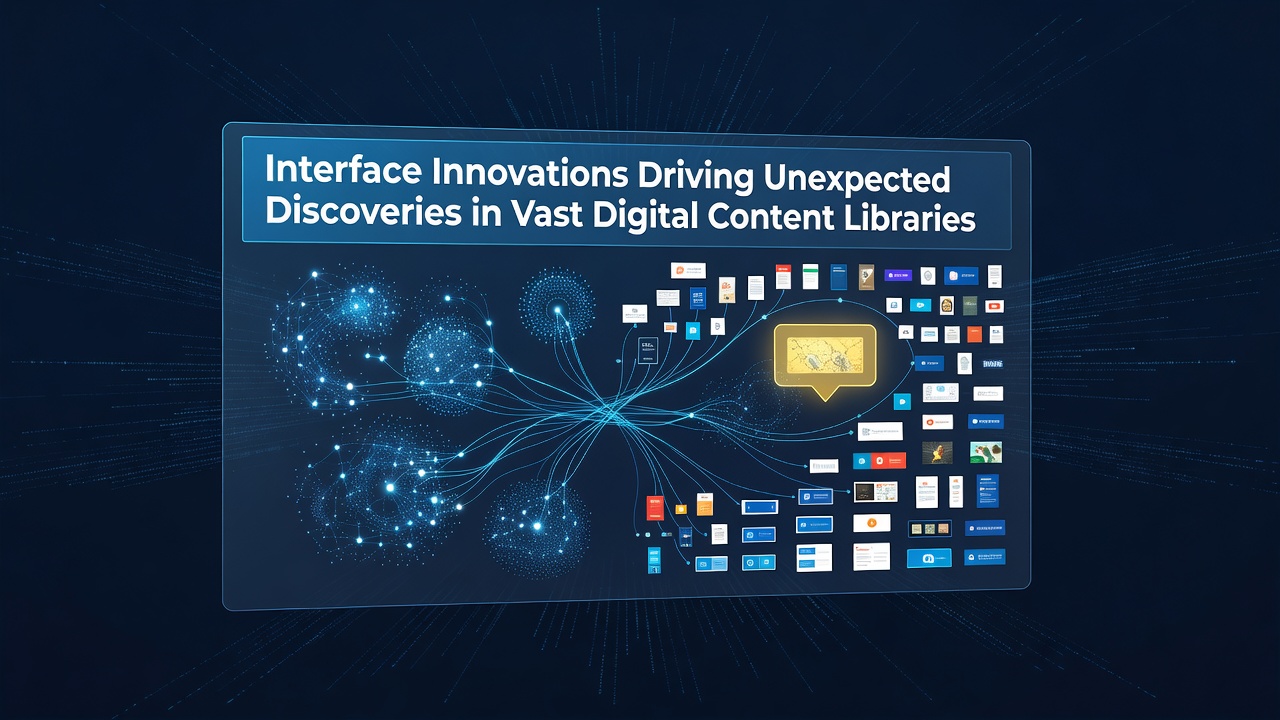
Modern interfaces incorporate graph-based visualizations that map relationships between items across multiple dimensions including temporal context, thematic overlap, and contributor networks, and these systems allow users to traverse collections through dynamic clusters rather than linear keyword results. Data from academic repositories indicates that adoption of such tools increased substantially by early 2026 with several platforms reporting higher rates of cross-collection exploration during that period.
Another layer involves natural language processing enhancements that interpret user intent beyond exact phrasing, while machine learning models trained on usage patterns suggest adjacent materials that align with emerging research threads. Observers note that these features operate in tandem with faceted filtering systems which adjust in real time as selections accumulate, creating pathways that feel organic rather than prescribed.
Serendipitous Findings in Practice
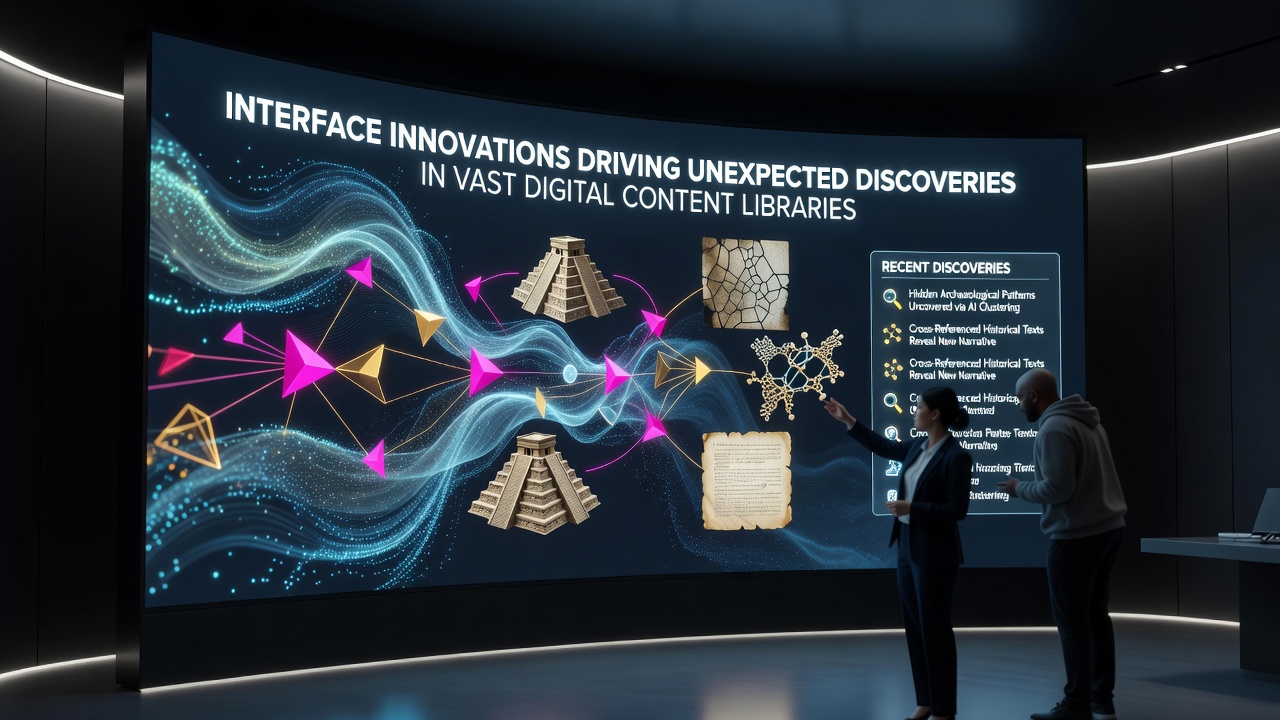
One documented instance occurred when a historian using an enhanced timeline interface at a major university archive connected 19th-century correspondence with unrelated cartographic records from the same era, revealing previously unrecognized trade routes that altered established interpretations of regional economic history. Similar patterns appear in scientific databases where interface prompts linking experimental protocols across disciplines have accelerated interdisciplinary collaborations.
What's interesting is how these systems handle scale, since collections containing millions of entries require interfaces that surface anomalies without overwhelming the display. Developers addressed this through progressive disclosure techniques that layer detail only after initial patterns emerge, and studies released around June 2026 from Canadian research networks confirmed measurable gains in discovery speed when such layered approaches were deployed.
Integration With Broader Ecosystems
Interfaces increasingly draw from linked open data standards that connect internal holdings to external sources, and this interoperability expands the discovery surface without requiring users to switch platforms. Trade organizations tracking digital preservation efforts report that standardized metadata schemas adopted in recent years facilitate these links while maintaining accuracy across heterogeneous collections.
Security and access controls also factor into the design since many libraries manage restricted materials alongside open ones, yet the same visualization layers often apply uniformly so authorized users encounter the full relational map. This consistency reduces friction during extended research sessions that span multiple sensitivity levels.
Challenges and Ongoing Refinements
Despite advances, bias in underlying algorithms remains a concern because training data can inadvertently prioritize certain narratives over others, and institutions address this through regular audits paired with user feedback loops that refine suggestion engines. Figures from Australian digital infrastructure reports show incremental improvements in diversity metrics following such interventions.
Performance at extreme scales presents another hurdle, yet hardware accelerations and distributed computing frameworks now support fluid interactions even when querying across petabyte-level archives. Those who've studied these systems know that the real test lies in balancing computational efficiency with interpretive richness so discoveries retain contextual depth.
Conclusion
Interface innovations continue to transform vast digital content libraries into active discovery environments where unexpected connections emerge through thoughtful design choices rather than chance alone. As platforms evolve further in response to usage data and technological capabilities, the potential for surfacing overlooked materials grows accordingly, supported by ongoing contributions from research bodies worldwide.