Mapping User Navigation Paths Through Hybrid Genre Collections on Streaming Services
Felix Braun · Jul 23, 2026
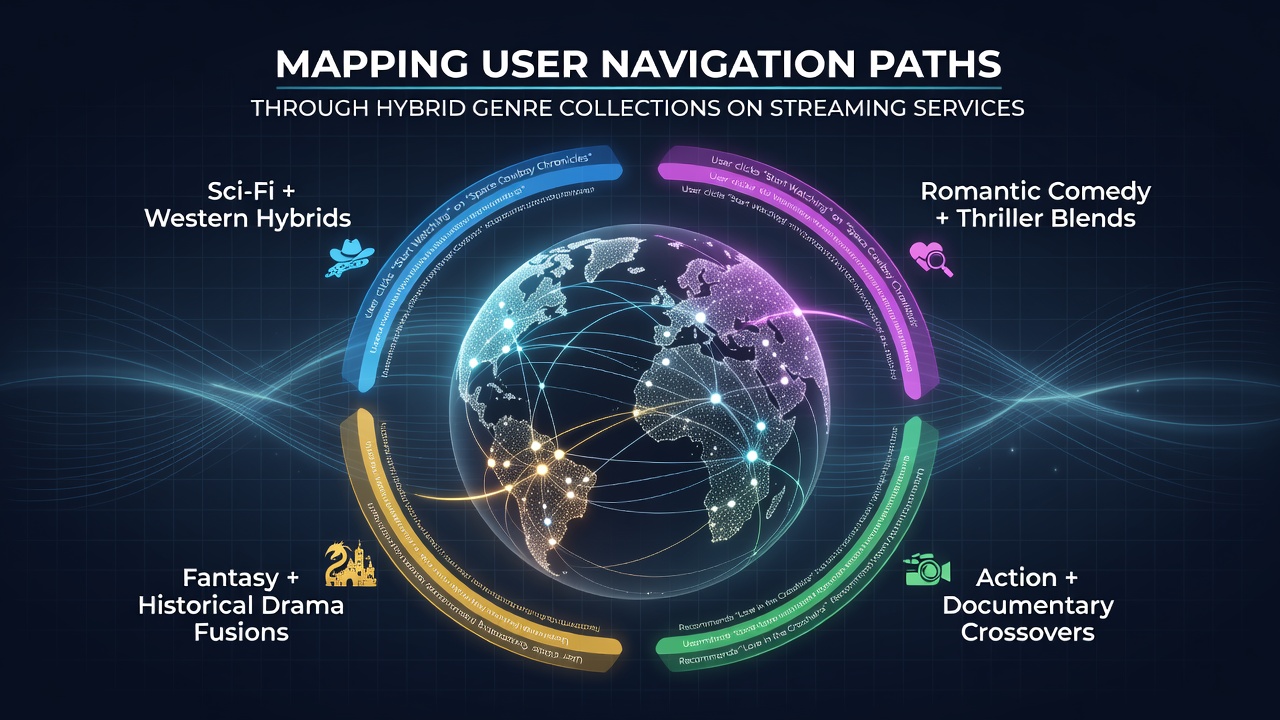
Streaming services organize content into hybrid genre collections where elements of science fiction merge with thriller pacing or where romantic drama intersects with historical narrative, and analysts track how subscribers move between these overlapping categories using session logs along with clickstream data. In July 2026 platform reports showed that users spent an average of 14 minutes exploring such blended sections before selecting a title, a figure derived from aggregated telemetry across multiple services operating in North America and Europe. Navigation mapping relies on tools that record entry points through search bars, recommendation carousels, and category menus while noting exit points that lead to playback or abandonment. Data scientists apply sequence analysis to these records in order to identify common routes such as moving from a dark comedy cluster into a supernatural mystery subsection or shifting from an action-adventure hybrid into a sports drama overlap. These patterns emerge because hybrid tags allow a single title to appear in multiple collections simultaneously, which creates branching opportunities that simple genre trees do not capture.Techniques Used to Record Viewer Routes
Platform teams deploy heat-mapping overlays on mobile and television interfaces to visualize dwell time within hybrid rows, and they combine this information with A/B testing of menu layouts to determine which arrangements encourage deeper exploration. Researchers at academic institutions have applied graph theory models where each hybrid collection functions as a node and each user transition functions as an edge, producing network diagrams that highlight high-traffic corridors between genres. One study released in early 2026 by a Canadian research consortium demonstrated that titles tagged with three or more genre attributes received 27 percent more cross-collection visits than those carrying single tags.
Observed Patterns in Mid-2026 Data
Analysis of logs from services active during July 2026 revealed that users frequently began in broad hybrid hubs such as speculative fiction and then filtered toward narrower intersections like cyberpunk western or medical procedural romance. Session duration increased when platforms surfaced related hybrid titles in side panels, yet drop-off rates rose when more than five overlapping categories appeared on a single screen. External research from the European Audiovisual Observatory documented similar route structures across services in member states, noting that younger demographics tended to traverse more nodes before committing to playback while older cohorts followed shorter, more direct sequences.
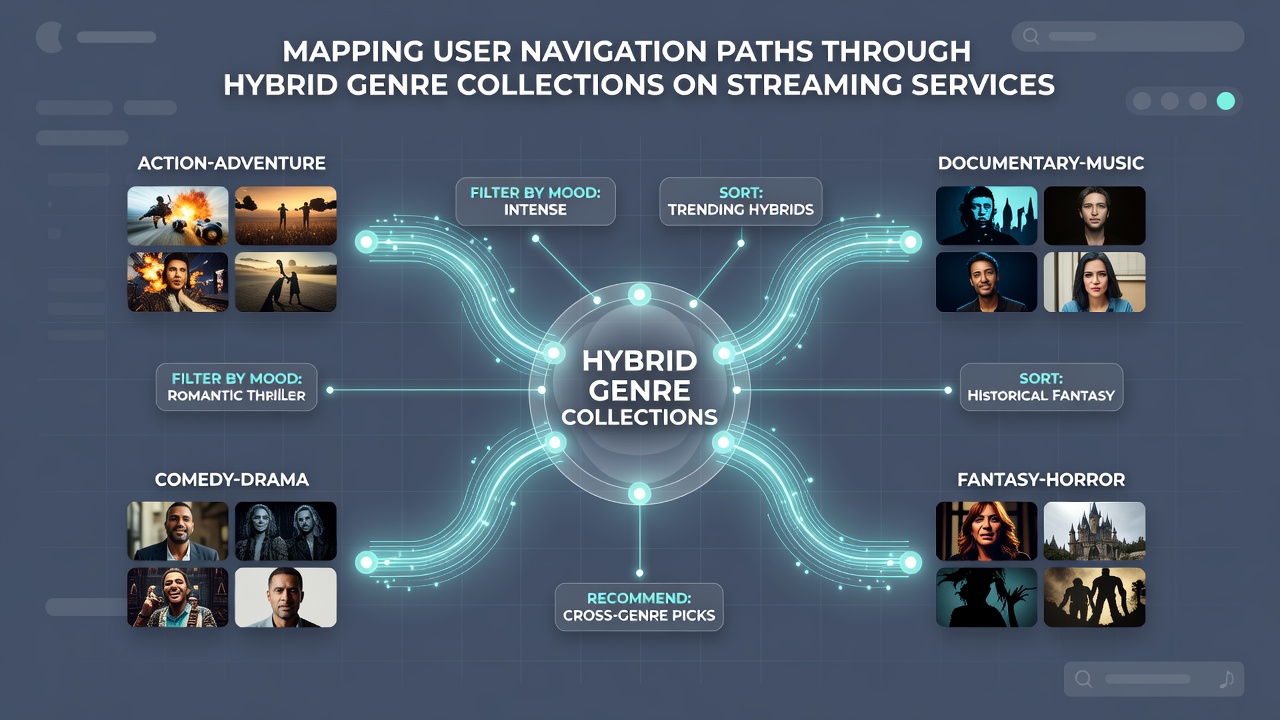
Search behavior also shaped these paths because keyword entry often bypassed category menus entirely and deposited users directly into hybrid intersections containing their terms. Metadata consistency across libraries influenced whether a user continued browsing or returned to the home screen, with inconsistent tagging correlating to higher bounce rates according to figures compiled by industry measurement firms. Services that maintained unified taxonomies across regions recorded steadier navigation flows, particularly when subtitles and audio tracks aligned with the hybrid descriptors presented to viewers.
Influences on Path Selection
Recommendation algorithms that weight hybrid attributes more heavily than single-genre matches produced longer exploration chains, and A/B tests conducted on platforms serving Australian and Asian markets confirmed that personalized hybrid carousels increased the number of unique collections visited per session. Device type further modulated behavior since remote-control interfaces on smart televisions encouraged linear scrolling through rows while touch interfaces on tablets supported more random jumps between distant hybrid nodes. Seasonal content refreshes in July 2026, such as the addition of new science-fantasy blends, temporarily altered established routes as users investigated fresh intersections before settling into prior patterns.
Platform Adjustments Based on Route Data
Design teams use the mapped paths to reposition hybrid collections nearer to high-traffic entry points and to adjust thumbnail prominence for titles that serve as bridges between genres. When route data indicated frequent movement from horror-comedy hybrids into true-crime documentaries, services introduced transitional banners that highlighted shared narrative elements such as suspense or character-driven storytelling. These adjustments reduced the steps required to reach desired content without eliminating the exploratory value of blended categories.
Conclusion
Mapping navigation through hybrid genre collections supplies streaming services with precise information about how audiences discover and move between overlapping content types. Continued collection of session data through 2026 and beyond enables refinement of interface elements that support both serendipitous discovery and efficient selection. The resulting insights guide metadata practices, recommendation weighting, and menu architecture across global platforms while preserving the structural complexity that defines hybrid libraries.