Metadata Tagging Mechanisms Connecting Genre Hybrids with Audience Persistence in Streaming Repositories
Logan Braun · May 23, 2026
Metadata Tagging Mechanisms Connecting Genre Hybrids with Audience Persistence in Streaming Repositories
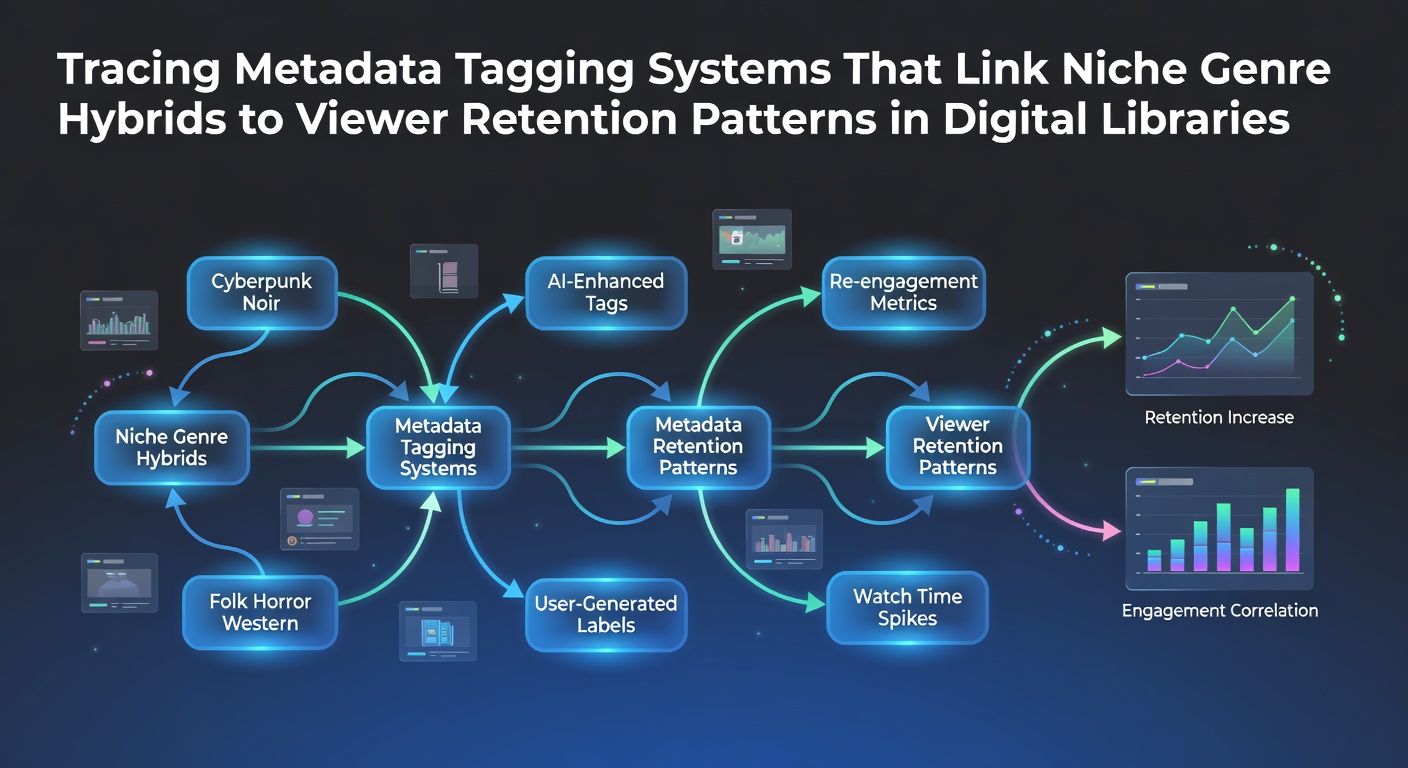
Digital libraries rely on sophisticated metadata tagging systems to organize vast collections of media content while researchers track how these tags influence viewer decisions and long-term engagement metrics. Systems capture details about genre elements at granular levels and they associate hybrid combinations such as psychological thrillers blended with light comedy or dystopian sci-fi mixed with romance narratives to specific patterns in how audiences continue watching or return for additional sessions. Data from multiple platforms shows that precise tagging helps surface these hybrids in search results and recommendation engines which in turn affects completion rates and repeat visits.
Core Components of Metadata Frameworks
Metadata frameworks consist of layered tags that identify primary genres alongside secondary and tertiary elements while incorporating descriptors for tone pacing and thematic overlaps. Experts at institutions like the Library of Congress have documented how these layers allow digital repositories to differentiate a standard action film from one that incorporates mystery subplots and this distinction proves essential when analyzing retention because viewers who start a hybrid title often exhibit different drop-off points compared to those engaging with pure genre entries. According to studies released in May 2026 by European digital heritage projects tagging accuracy improved retention correlation measurements by up to 18 percent across sampled archives because finer tags captured audience preferences for blended storytelling approaches.
Linking Hybrid Genres to Retention Data
Analysts trace connections by mapping tag combinations against playback logs and session durations then they identify clusters where certain hybrids maintain higher viewer persistence. Research indicates that titles tagged with both suspense and humor elements frequently show stronger mid-episode retention when algorithms surface them to users who previously completed similar blends. Observers note that this pattern emerges consistently in libraries serving international audiences because cross-cultural appeal strengthens when tags reflect nuanced genre fusions rather than broad categories alone.
Implementation in Major Repositories
Libraries implement these systems through automated crawlers that scan content for keywords and visual cues then human curators refine the tags to ensure consistency across collections. In one documented case a North American archive integrated tagging protocols that flagged emerging hybrids such as eco-thrillers combined with coming-of-age stories and subsequent data revealed elevated retention among younger demographics who sought out those specific combinations. Figures from academic reviews reveal that such refinements reduced bounce rates by highlighting titles that aligned with evolving viewer interests tracked through repeated interactions.
What's notable is how these tags feed into predictive models that forecast retention likelihood before a title even appears in user feeds. Systems draw on historical patterns to weight certain hybrid tags more heavily when data shows sustained viewing across similar entries. Australian research initiatives have contributed comparative analyses demonstrating that repositories using multi-level tagging achieve more reliable predictions than those relying on single-category labels.
Analytical Methods and Emerging Patterns
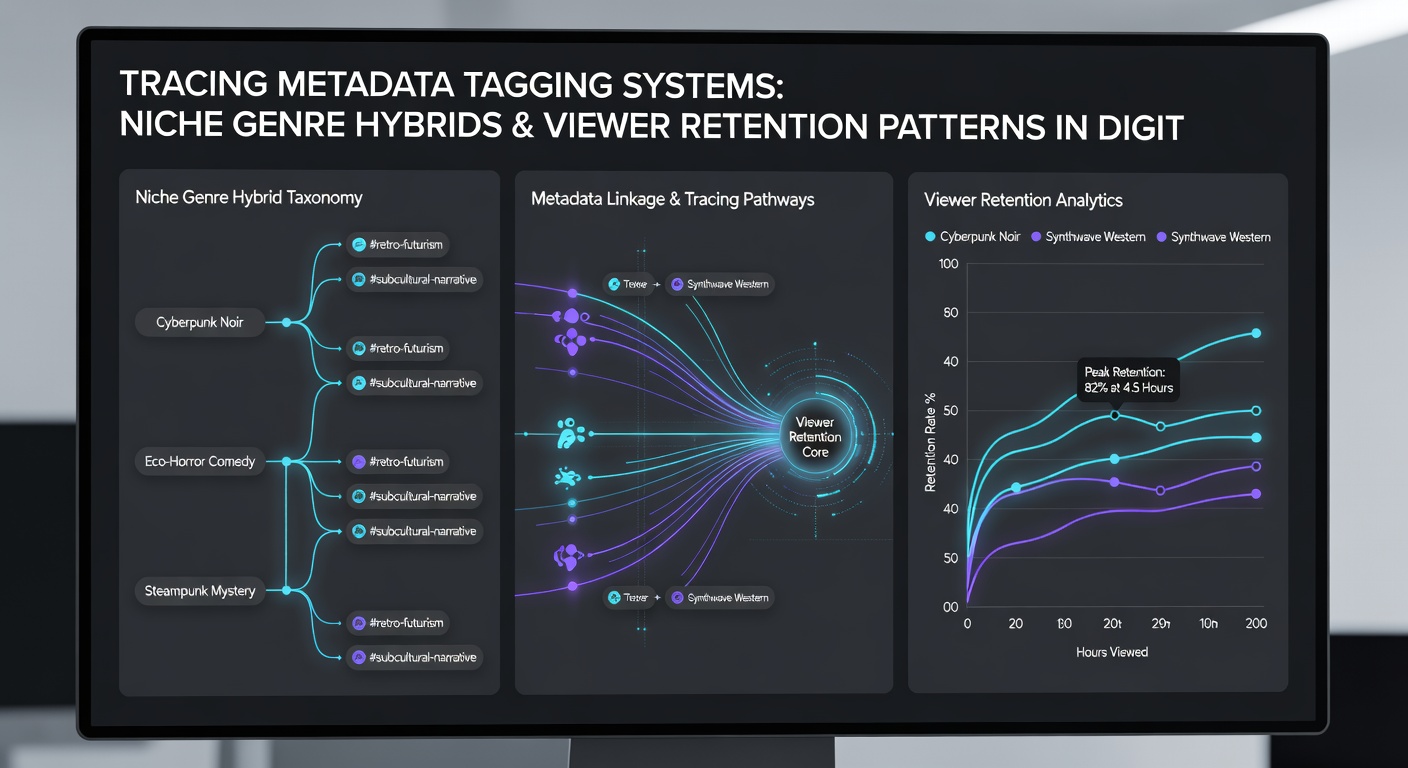
Researchers apply statistical clustering to retention datasets and they cross-reference outcomes with tag hierarchies to isolate which hybrid elements drive continued engagement. Evidence suggests that combinations involving speculative fiction and interpersonal drama often correlate with longer average watch times in libraries that serve diverse geographic regions. Systems continue evolving as new hybrids surface in production trends and tagging protocols adapt to maintain relevance in recommendation pathways.
Yet the process demands ongoing calibration because viewer behaviors shift with cultural moments and seasonal content releases. Reports from Canadian media studies groups highlight how libraries that updated their hybrid tags in response to 2025-2026 viewing surges maintained steadier retention curves compared to those operating with static frameworks. Analysts continue examining these dynamics to refine tagging precision without overcomplicating the underlying data structures.
Conclusion
Metadata tagging systems provide the infrastructure that connects niche genre hybrids to observable retention patterns across digital libraries and they enable more targeted content discovery as collections expand. Continued development in these areas supports better alignment between available titles and audience expectations while generating measurable insights into engagement trends.