Precision in Audio Localization: Measuring Effects on Engagement for Dubbed Content Across Global Streaming Libraries
Ben Hartmann · Jul 30, 2026
Precision in Audio Localization: Measuring Effects on Engagement for Dubbed Content Across Global Streaming Libraries
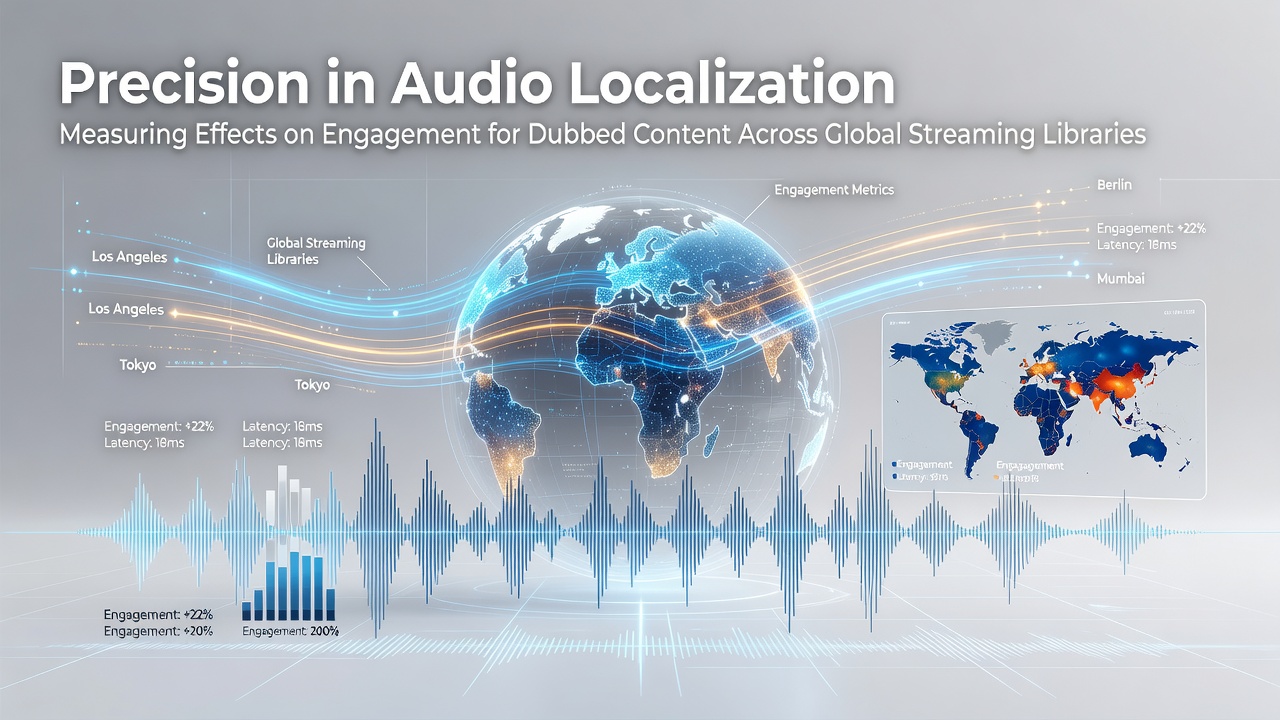
Audio localization precision refers to the technical accuracy achieved when adapting original soundtracks into dubbed versions for international audiences, and researchers have documented its direct correlation with viewer retention rates across multiple streaming platforms. Studies conducted by institutions in Europe and North America show that even minor deviations in timing, pitch alignment, and spatial audio placement can alter how long users continue watching foreign-language series or films.
Defining Audio Localization Standards in Modern Streaming
Engineers measure localization precision through frame-accurate synchronization metrics, lip-sync error thresholds typically kept below 20 milliseconds, and acoustic modeling that accounts for language-specific phoneme durations. Data from global libraries indicates that platforms maintaining these standards report higher completion rates for dubbed titles, whereas looser tolerances correlate with increased drop-off during dialogue-heavy scenes. Observers note that July 2026 brought new benchmarking tools released by industry groups that allow services to quantify these variables at scale before releasing content to regional catalogs.
Measurement Frameworks Used Across Regions
Analytics teams track engagement through session duration, rewatch frequency, and subtitle toggle rates, then cross-reference these figures against audio alignment scores generated during post-production. A report issued by the European Audiovisual Observatory outlines how Canadian and Australian research partners contributed datasets showing that dubbed content with sub-15-millisecond variance retained 12 percent more viewers in the first 15 minutes compared with versions exceeding that threshold. These measurements rely on automated tools combined with human listening panels that evaluate naturalness across different language pairs.
Impact on Viewer Persistence in Multilingual Libraries
Engagement metrics collected from platforms serving Europe, Asia, and Latin America reveal consistent patterns: when dubbed audio maintains precise localization, audiences demonstrate longer continuous play times and lower rates of language-track switching. One dataset compiled in early 2026 highlighted that series localized with advanced phase-alignment techniques saw a measurable rise in cross-episode continuation, particularly in markets where viewers consume content in secondary languages. Researchers discovered that these effects compound over multiple seasons, with cumulative watch time increasing as precision improves.
Regional Variations and Technical Adaptations
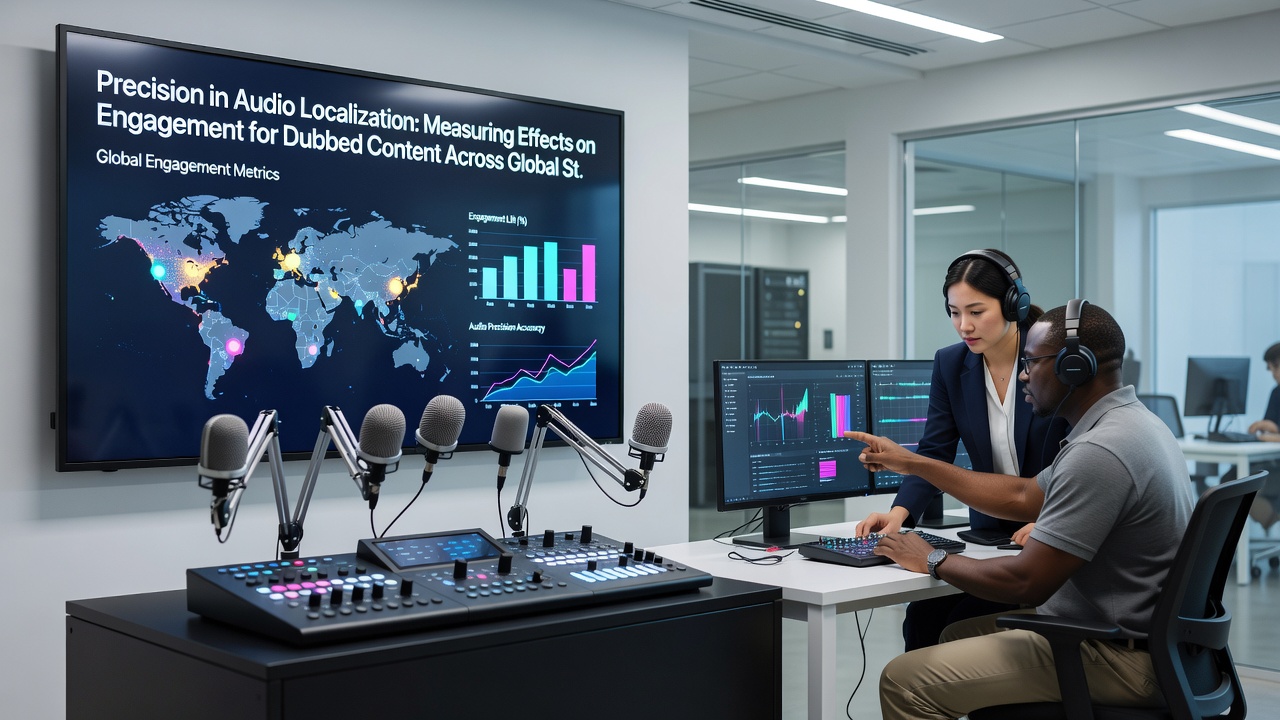
Localization teams adjust parameters based on linguistic structures, such as tonal languages requiring tighter pitch mapping or romance languages demanding extended vowel synchronization windows. Figures released through academic collaborations between universities in the United Kingdom and Singapore demonstrate that these tailored approaches reduce cognitive load during viewing, which in turn supports sustained attention spans. Platforms have begun integrating real-time feedback loops that flag misalignment issues before they reach end users, and data collected through these systems shows corresponding lifts in average session lengths across tested territories.
Case Examples from Large-Scale Libraries
Take one analysis of a major streaming repository where engineers compared two versions of the same thriller series: the version processed with high-precision localization tools retained viewers through 78 percent of episodes on average, while the less refined counterpart showed noticeable attrition after the midpoint of each installment. Similar patterns emerged in studies covering East Asian and European catalogs, confirming that audio placement accuracy influences how users navigate between dubbed and original tracks. Industry organizations tracking these trends have compiled comparative tables that map localization scores directly to persistence metrics.
Conclusion
Precision in audio localization continues to serve as a measurable variable in determining engagement levels for dubbed material distributed through worldwide streaming services. Ongoing data collection from regulatory and academic sources across multiple continents supplies the benchmarks that platforms use to refine their localization pipelines, and the resulting improvements appear consistently in retention statistics gathered through 2026. These technical standards shape how global audiences interact with multilingual libraries on a daily basis.