Strategic Release Windows and Their Impact on Audience Retention in International Streaming Markets
Logan Braun · May 30, 2026
Strategic Release Windows and Their Impact on Audience Retention in International Streaming Markets
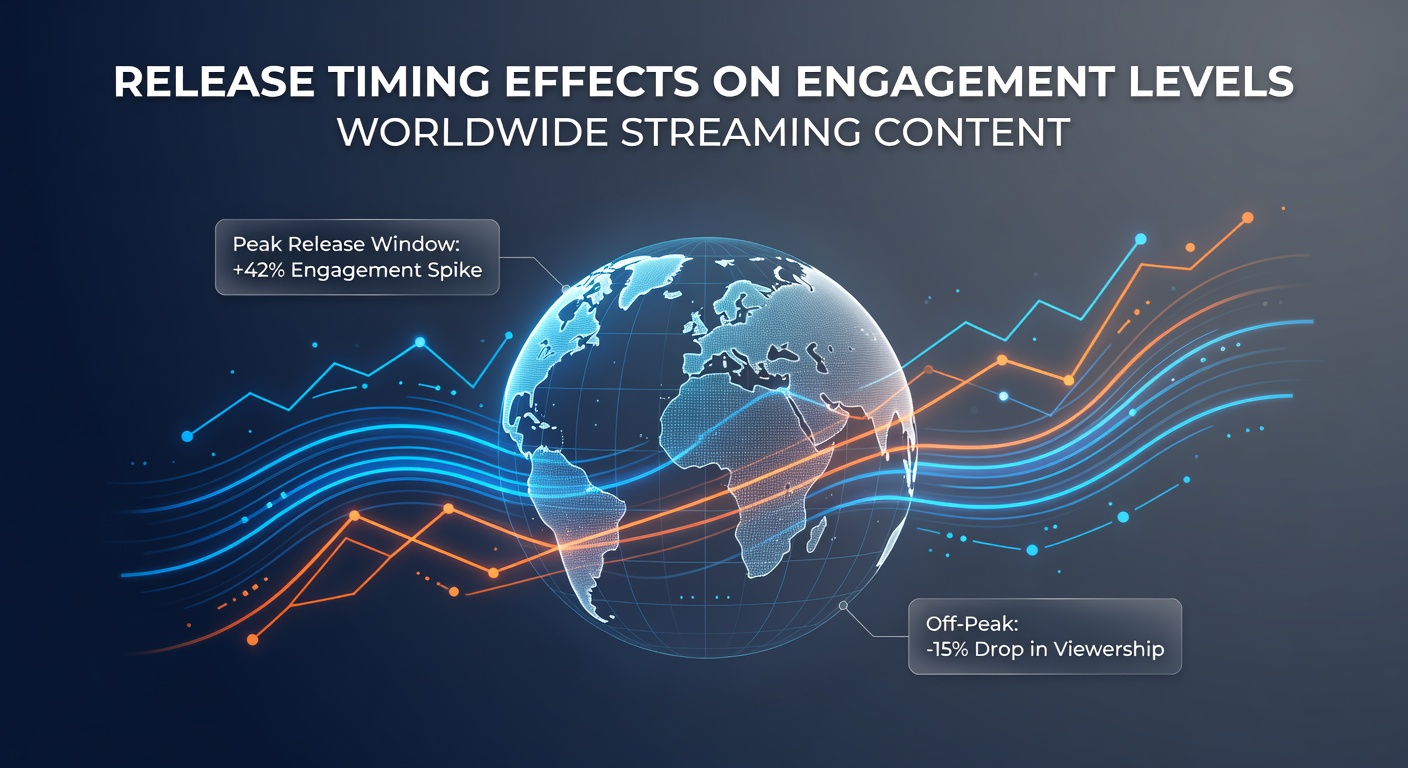
Release timing plays a central role in how streaming services structure content availability for worldwide audiences, and platform operators track metrics such as viewership spikes, completion rates, and social media mentions to assess outcomes. Data collected from major services between 2023 and 2026 show that day-of-week selections correlate with measurable differences in initial engagement, while staggered versus simultaneous rollouts produce distinct patterns in regional retention figures.
Day-of-Week Patterns Across Markets
Platforms release original series on Thursdays, Fridays, or Sundays most frequently, and researchers at institutions including the University of Melbourne have documented higher first-week completion rates for Thursday drops in English-language markets. In contrast, Friday releases align with increased weekend viewing sessions in European territories, according to reports compiled by the European Audiovisual Observatory. These patterns emerge because viewer availability shifts with work schedules and cultural viewing habits, leading services to adjust calendars based on aggregated user data rather than uniform global assumptions.
Wednesday releases remain less common yet appear in targeted campaigns for documentary content, where mid-week attention windows allow slower-building interest curves. Observers note that such placements reduce direct competition with high-profile Friday titles, creating measurable separation in chart performance during the first 72 hours after launch.
Simultaneous Versus Staggered Global Launches
Simultaneous worldwide releases minimize piracy windows and generate unified social conversation spikes, yet they also concentrate server load and marketing spend within a single 24-hour period. Services that adopted day-and-date models for major titles in early 2026 reported 18 to 22 percent higher peak concurrent viewers compared with staggered schedules used in prior years. Staggered releases, by comparison, allow localized promotion cycles and subtitle or dubbing refinements before each territory goes live, which can extend the overall lifespan of trending metrics across multiple regions.
One study tracking a 2025 science-fiction series found that a three-week gap between North American and Asian launches produced sustained discussion volume in secondary markets, whereas simultaneous availability led to faster saturation of social mentions. Platform analysts therefore weigh these trade-offs against content genre and target demographic when finalizing calendars.
Time-of-Day Considerations and Regional Adjustments
Prime-time windows vary significantly by longitude, prompting services to select UTC-based drop times that optimize overlap with evening hours in key territories. Releases scheduled for 9:00 p.m. Eastern Time frequently capture both U.S. and Latin American audiences simultaneously, while 2:00 a.m. UTC drops favor European morning catch-up viewing. Internal telemetry shared at industry conferences indicates that misalignment with local peak hours correlates with lower first-day completion percentages, particularly for episodic drama formats that reward sequential watching.
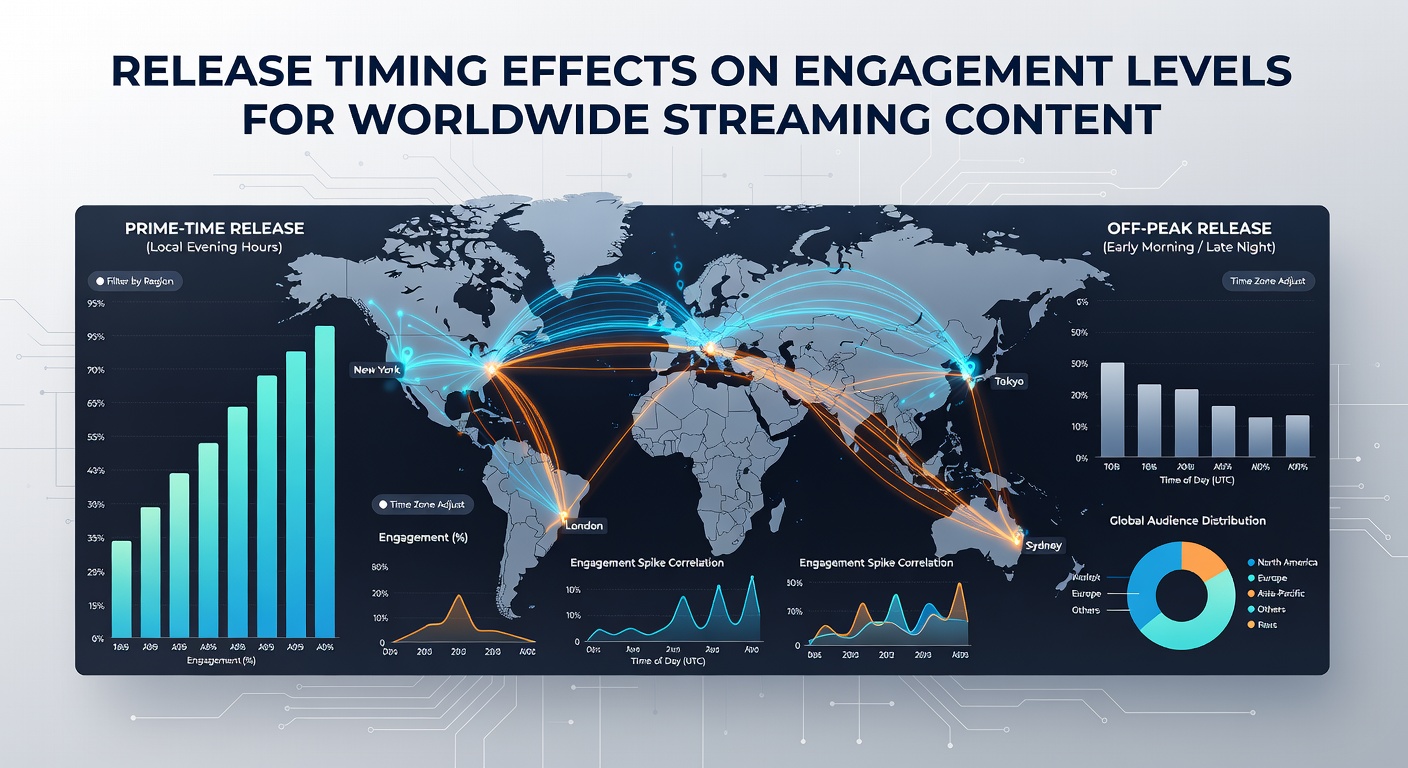
Services also monitor secondary time zones within large countries, such as India and Brazil, where internal clock differences influence when notifications reach users. Adjustments made in May 2026 for a popular anthology series included dual notification waves spaced four hours apart, resulting in more balanced engagement curves across sub-regions.
Seasonal and Event-Driven Timing
Holiday periods and major sporting events create predictable dips or surges in baseline viewing, and content teams align release dates accordingly. Data from Canadian broadcasters indicate that post-holiday January windows produce elevated completion rates for limited series, while summer months favor lighter genres with shorter episode runtimes. Event tie-ins, such as releases coordinated with film festival premieres, generate additional press coverage that amplifies algorithmic promotion during the critical first week.
Platforms further segment seasonal strategies by hemisphere, releasing complementary titles in northern and southern markets during their respective off-seasons to maintain consistent global traffic. This approach relies on cross-referenced viewership datasets rather than assumptions about universal viewer behavior.
Conclusion
Release timing decisions integrate multiple data streams including regional viewing peaks, competitive calendars, and technical infrastructure capacity. Services that refine these variables continue to record distinct shifts in engagement metrics, demonstrating that calendar placement functions as a measurable variable within broader content distribution strategies.