The Invisible Backbone: Systems Driving Specialized Television Genre Exploration in Worldwide TV Libraries
Logan Braun · May 19, 2026
The Invisible Backbone: Systems Driving Specialized Television Genre Exploration in Worldwide TV Libraries
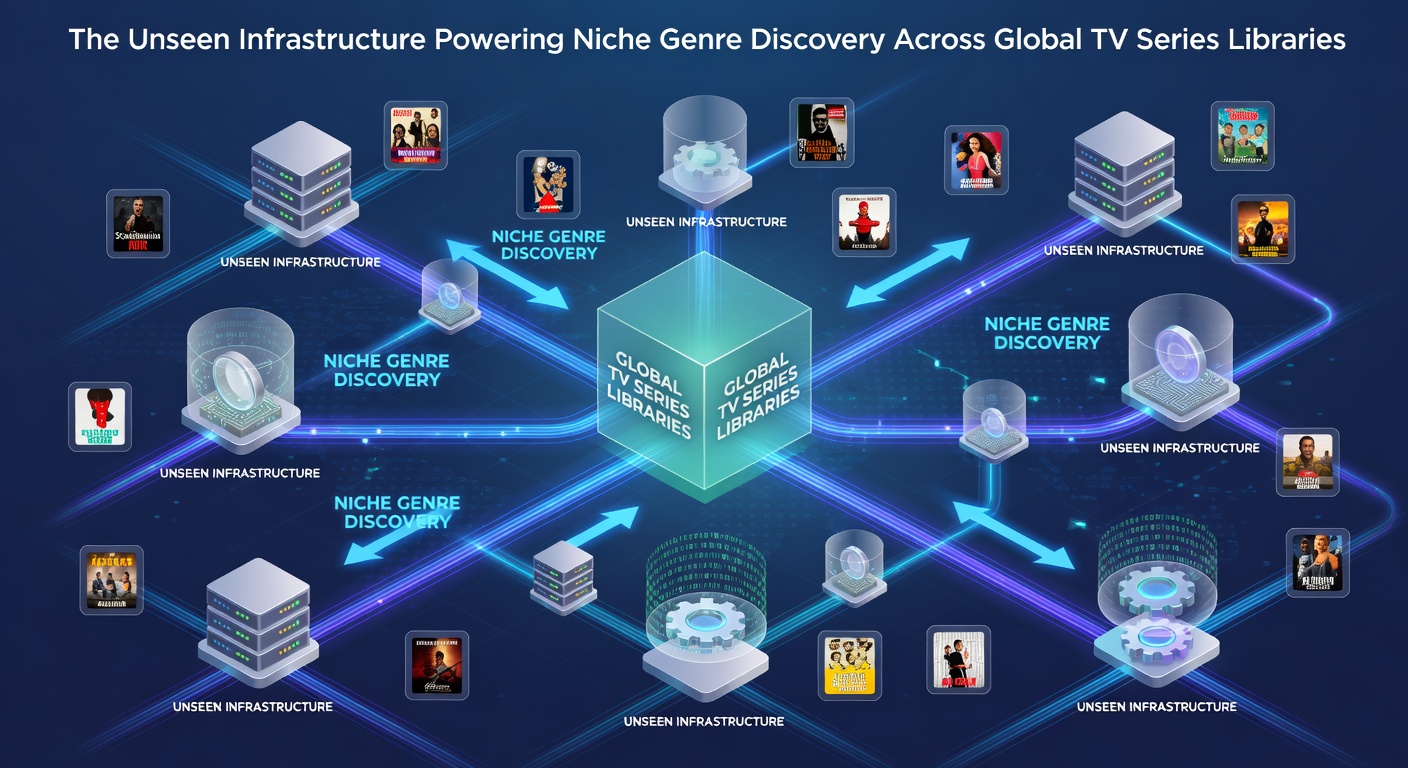
Data centers scattered across continents form the foundation for how viewers locate obscure subgenres within extensive television catalogs, and researchers have documented these networks since the mid-2010s when streaming volumes first surged past traditional broadcast figures. Systems handle billions of metadata tags daily, categorizing everything from Nordic noir procedurals to Brazilian telenovela spin-offs, while synchronization protocols keep libraries aligned across regions despite differing licensing windows. Observers note that without this layer, niche titles would remain buried under mainstream catalogs, yet the infrastructure itself stays largely invisible to end users who simply scroll through suggestions on any given evening.
Metadata Frameworks and Classification Engines
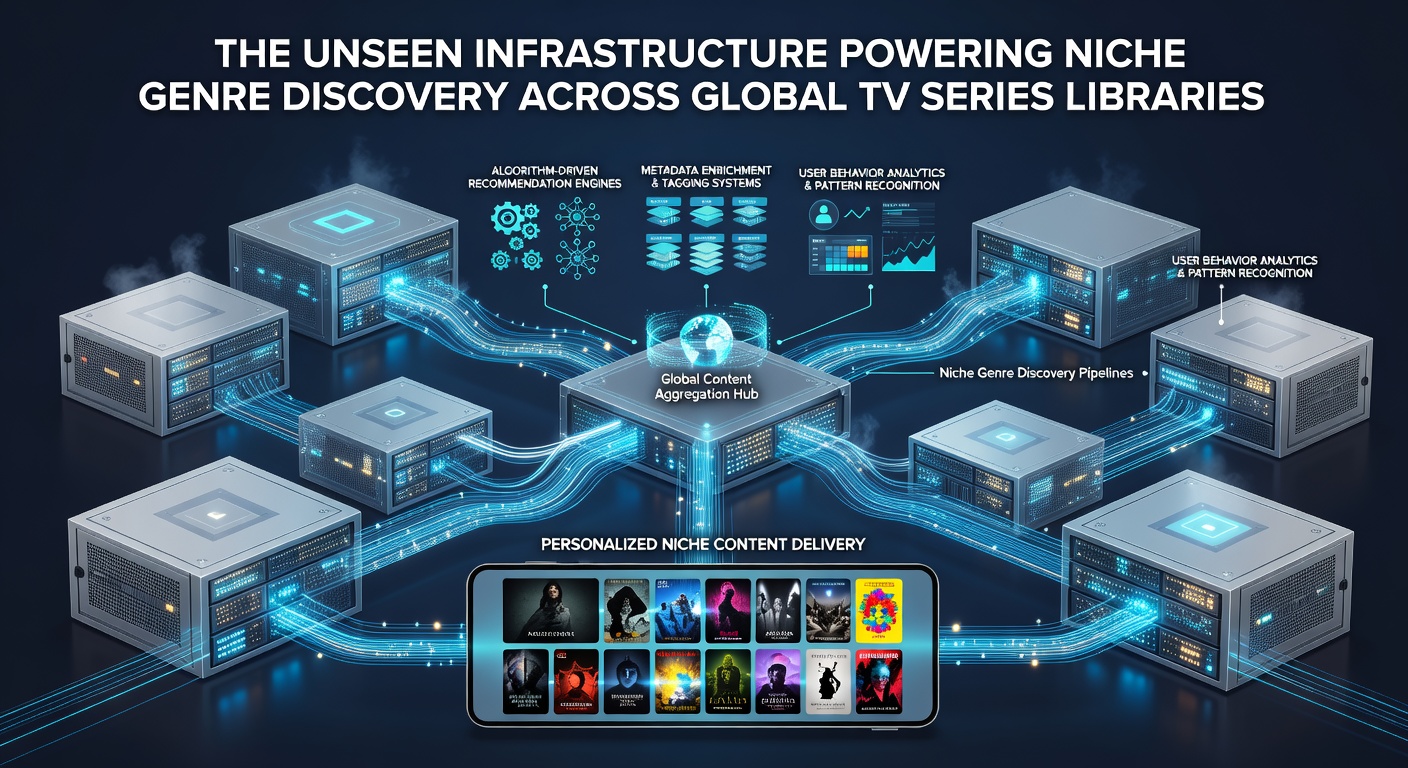
Classification engines rely on layered taxonomies that expand beyond basic labels such as drama or comedy, incorporating granular descriptors for tone, production origin, and thematic elements, and these frameworks draw from standards developed by international media consortia. Teams in multiple time zones update entries whenever new episodes premiere, ensuring that a viewer searching for minimalist Scandinavian crime stories receives accurate matches drawn from libraries in Sweden, Denmark, and Iceland alike. Studies from academic institutions show that refined metadata increases discovery rates for lesser-known series by measurable margins, particularly when combined with cross-referenced production data from co-financed international projects.
Recommendation Algorithms at Scale
Algorithms process viewing histories alongside real-time signals from similar profiles, then surface niche options that align with emerging patterns rather than broad popularity metrics, and this approach gained traction as libraries grew beyond ten thousand titles per major platform. Engineers refine models continuously through feedback loops that incorporate completion rates and subsequent searches, allowing systems to highlight genres like Eastern European animation or Australian outback mysteries for audiences who previously encountered them only by chance. Figures released in early 2026 indicate that algorithmic nudges now account for over sixty percent of first-time views in specialized categories, according to aggregated industry telemetry shared at technology conferences.
Content Delivery Networks and Regional Synchronization
Content delivery networks positioned near population centers reduce latency for high-resolution streams while simultaneously routing discovery queries to centralized databases that track availability by territory, and this dual function keeps search results current even as rights agreements shift monthly. Technicians monitor traffic spikes during global events such as award seasons, when interest in certain regional genres spikes and infrastructure must reroute queries without disrupting playback. Data from monitoring agencies in North America and the Asia-Pacific region demonstrates that synchronized caches prevent the common issue of regional mismatches, where a title appears in one market's recommendations but not another's.
Advancements Emerging Around May 2026
By May 2026 several platforms began piloting semantic search layers that interpret natural-language queries such as understated slow-burn mysteries from smaller European markets, and these additions build on earlier machine-learning investments that already parse subtitles and scripts for thematic signals. Regulatory updates in the European Union around digital single-market rules encouraged greater interoperability between libraries, prompting infrastructure providers to adopt shared tagging protocols that reduce duplication across borders. Observers tracking these changes report faster cross-platform discovery for titles that once required manual hunting through separate regional catalogs.
Security, Compliance, and Data Governance Layers
Compliance modules embedded in the infrastructure enforce territorial restrictions while still permitting discovery prompts that respect licensing boundaries, and encryption standards protect user preference data as it travels between regional nodes. Industry reports compiled by research bodies in Canada and Australia highlight how governance frameworks balance accessibility with rights management, ensuring that niche genre recommendations appear only where distribution agreements permit. This balance prevents legal friction that could otherwise fragment the very datasets powering accurate suggestions.
Conclusion
Collectively these components create an environment where specialized television genres surface reliably across global collections, and continued investment in backend coordination points toward even tighter integration between metadata, algorithms, and delivery systems in the years ahead. The infrastructure remains unseen yet underpins every successful exploration of lesser-known series that viewers encounter daily.