The Web of Recommendations: Unpacking How Algorithms Connect Popular Films to Niche Genres
Felix Braun · May 16, 2026
The Web of Recommendations: Unpacking How Algorithms Connect Popular Films to Niche Genres
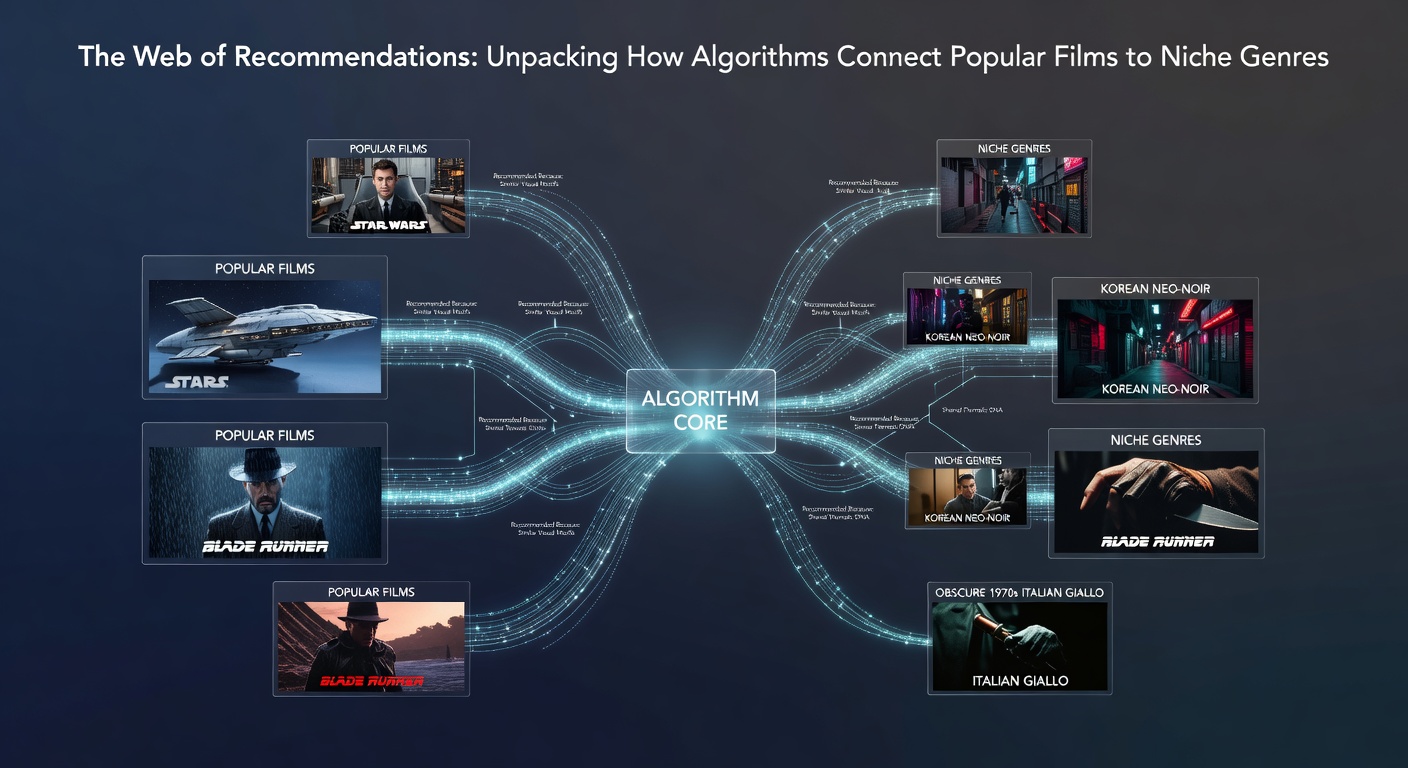
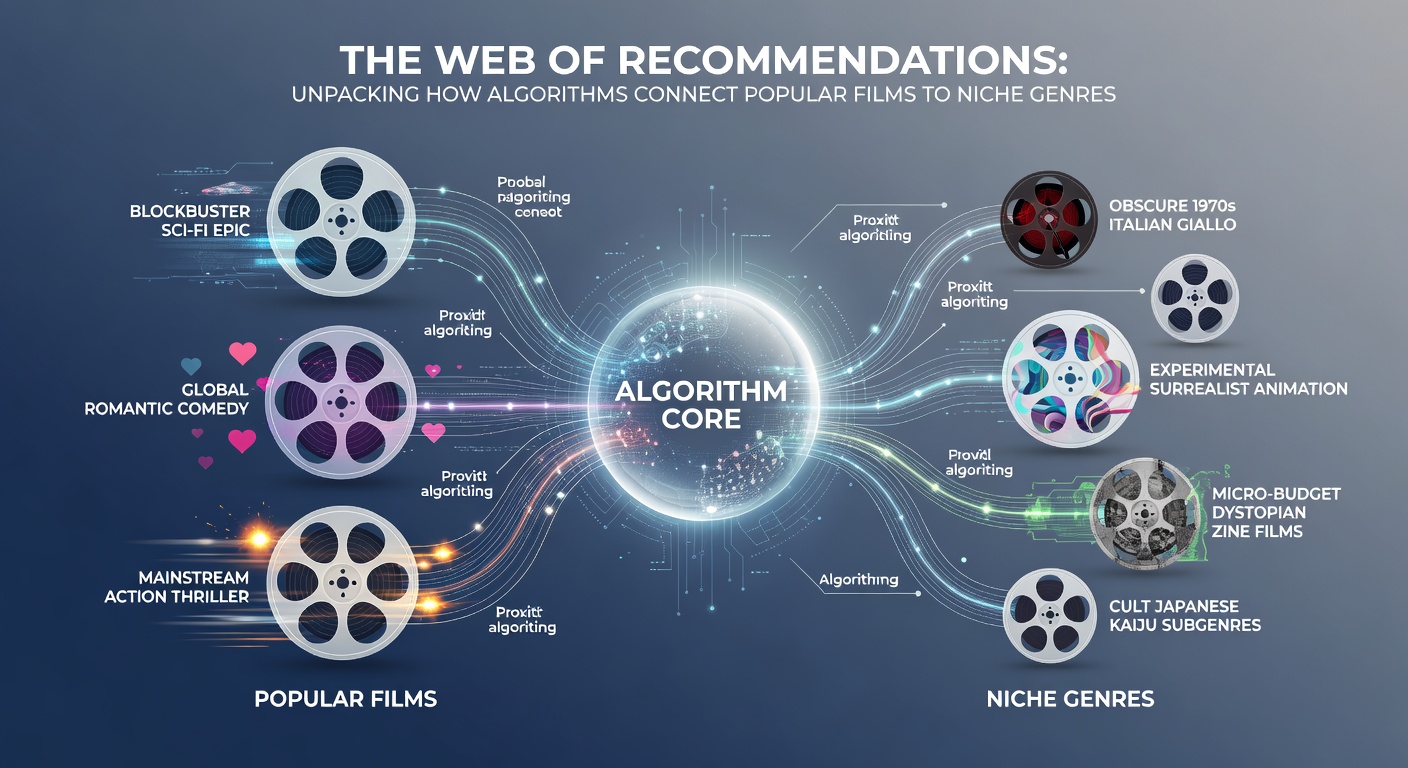
Streaming platforms rely on sophisticated recommendation systems that map user preferences from mainstream blockbusters directly onto specialized genres, creating pathways that expand viewing habits without users needing to search actively. These systems process vast datasets of viewing history, ratings, and interaction patterns to identify connections between high-viewership titles and lesser-known entries in areas like arthouse cinema or regional documentaries. Data from major services shows that collaborative filtering techniques, which compare user profiles across millions of accounts, often surface niche suggestions after popular film consumption reaches certain thresholds.
Core Mechanisms Behind the Connections
Algorithms employ a mix of content-based filtering and collaborative methods to bridge popular films with niche genres, analyzing metadata such as themes, directors, and stylistic elements while cross-referencing group behaviors. When viewers finish a widely watched action sequence, the system detects shared traits like pacing or visual effects that align with independent thrillers or cult sci-fi productions, then ranks those options based on predicted engagement scores. Researchers at institutions across North America and Europe have documented how matrix factorization models break down user-item interactions into latent factors, enabling precise jumps from mainstream hits to targeted subgenres.
Real-time adjustments occur as fresh data streams in, with platforms updating profiles after each session to refine the web of suggestions. Studies funded through government initiatives in Canada indicate that these updates improve discovery rates for obscure titles by up to 30 percent when linked to established popular anchors. The process avoids random exposure by weighting factors like runtime compatibility and regional availability, ensuring recommendations remain practical for the user base.
From Blockbusters to Specialized Viewing
Popular films serve as entry points that algorithms leverage to introduce audiences to niche content, often through sequential suggestions that build on initial selections. Someone who streams a major franchise installment might next encounter a low-budget counterpart sharing narrative structures or actor crossovers, gradually steering toward experimental or foreign-language works. Evidence collected by academic teams in Australia reveals that such chaining increases completion rates for niche genres when the transition feels organic rather than abrupt.
Platforms track these progressions through session logs, noting how many users move from superhero spectacles to indie superhero parodies or historical reenactments. In May 2026, industry reports highlighted expanded testing of hybrid models that incorporate social media signals alongside traditional watch data, further tightening links between broad-appeal titles and specialized catalogs. Observers note that this approach helps services retain subscribers by satisfying both casual and dedicated viewers within the same ecosystem.
Data Patterns and Geographic Variations
User data reveals consistent patterns where certain popular genres act as gateways, with action and comedy titles frequently preceding spikes in interest for documentary subfields or animated shorts from specific countries. European regulatory analyses of digital platforms demonstrate that recommendation density for niche content rises during peak viewing months, driven by algorithmic emphasis on diversity metrics. Those patterns differ by region, as services tailor outputs to local licensing and cultural preferences while maintaining global model consistency.
According to findings from the Australian Communications and Media Authority, cross-border data sharing among platforms has accelerated these connections, allowing niche European films to appear in recommendations for North American viewers who recently watched comparable mainstream releases. The same holds in reverse, with Asian arthouse selections gaining traction after popular thrillers from the same directors. Accuracy improves when models account for temporal factors such as release anniversaries or festival tie-ins.
Evolving Challenges in Algorithm Design
Balancing exposure for niche genres against commercial priorities presents ongoing technical hurdles, as systems must prevent filter bubbles while maximizing retention metrics. Developers incorporate regularization techniques to boost underrepresented titles without sacrificing relevance scores derived from popular film baselines. Research papers from university consortia in the United States detail experiments where controlled A/B testing measured uplift in niche genre exploration following adjustments to weighting parameters.
Privacy regulations further shape these operations, requiring anonymized datasets that still preserve enough granularity for effective bridging. As of May 2026, updates to compliance frameworks in multiple jurisdictions have prompted refinements in how platforms log and apply interaction data for recommendation purposes. The result appears in more transparent suggestion interfaces that list contributing factors like shared actors or thematic overlap, helping users understand the pathways from familiar content to new discoveries.
Conclusion
Recommendation algorithms continue to refine the pathways that link popular films to niche genres through layered data analysis and adaptive modeling, supporting broader content discovery across global streaming libraries. Ongoing developments in machine learning and regulatory alignment shape how these connections evolve, with measurable impacts on viewing diversity documented in reports from varied international sources. The infrastructure underlying these systems remains central to how audiences encounter specialized material within everyday platform use.