Thumbnail Designs Shape Scrolling Patterns in Episode Collections Across Digital Libraries
Logan Braun · Jul 7, 2026
Thumbnail Designs Shape Scrolling Patterns in Episode Collections Across Digital Libraries
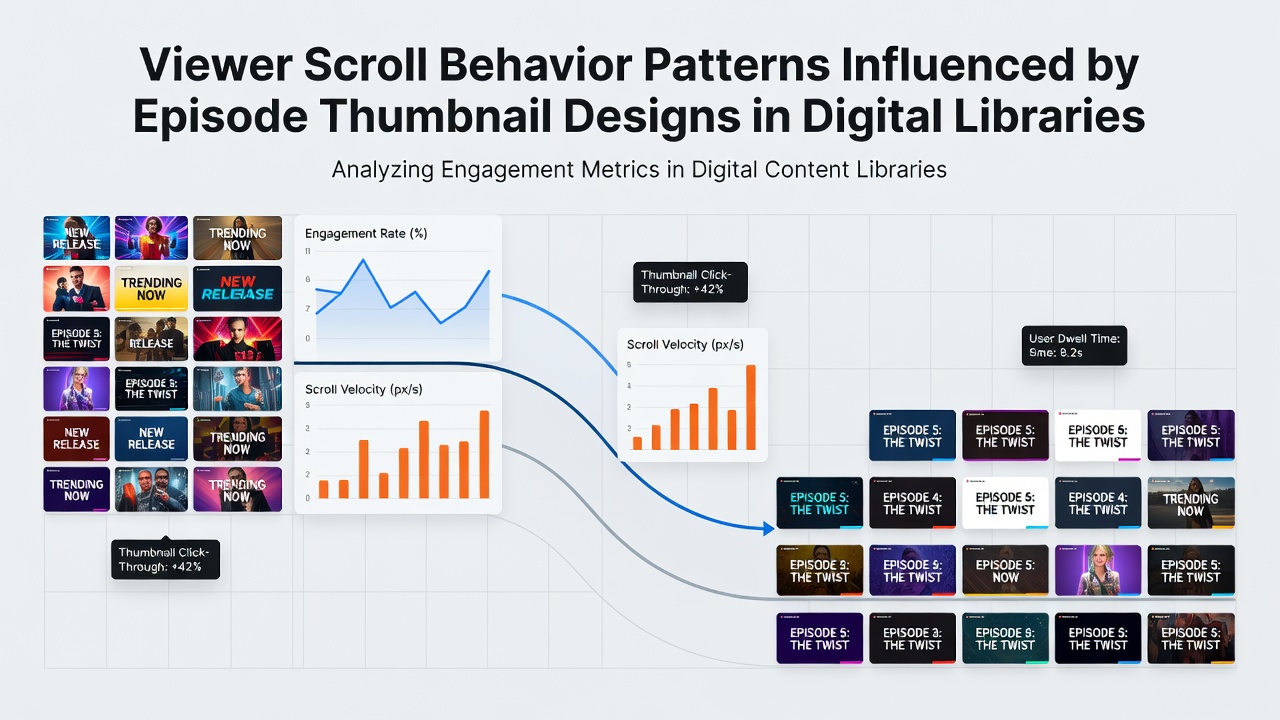
Episode thumbnail designs direct how users move through digital libraries, and studies from multiple institutions document clear connections between visual elements and navigation habits. Researchers at the University of Toronto tracked thousands of sessions in 2025 and noted that high-contrast faces in thumbnails slowed scroll speeds by an average of 18 percent compared with abstract artwork, while bright color palettes prompted quicker downward movement in grid views.
Data from these sessions also revealed that text overlays containing episode numbers or titles encouraged longer pauses, especially when the lettering contrasted sharply with background hues. Observers recorded these behaviors across platforms that host television archives, and the patterns held steady even as interface layouts changed between desktop and mobile formats.
Visual Elements That Guide User Movement
Thumbnail composition affects whether viewers linger or continue scrolling, and several measurable factors stand out in controlled tests. Brightness levels rank high among these factors, since libraries with consistent lighting across rows produce steadier scroll rhythms. In contrast, sudden shifts from dark to vivid images cause abrupt stops followed by rapid acceleration once the eye adjusts.
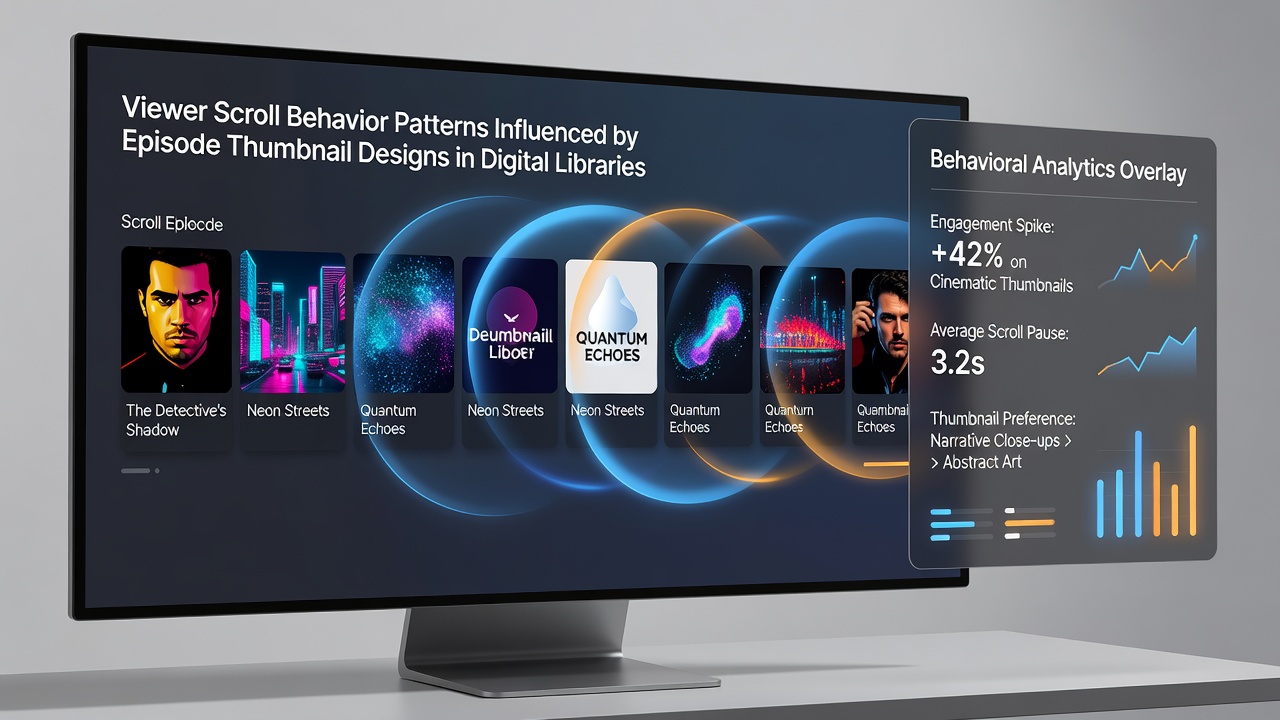
Facial expressions within thumbnails further influence dwell time. Neutral or intense expressions draw more attention than smiling ones in drama collections, according to findings published by the University of Melbourne in early 2026. Those researchers examined viewer logs from international streaming repositories and found that thumbnails featuring close-up eyes correlated with higher rates of upward scrolling when users sought earlier episodes in a season.
Patterns Observed in Large-Scale Library Navigation
Scroll velocity changes follow predictable sequences once thumbnail variables are isolated. Users typically accelerate through rows that share similar color temperatures, then decelerate when a thumbnail introduces a new dominant hue or includes a recognizable character. This stop-and-go motion repeats across sessions lasting longer than four minutes, creating measurable clusters of interaction points.
Library size plays a role in these rhythms. Smaller collections under 500 episodes show fewer velocity spikes because users encounter relevant thumbnails sooner, whereas expansive archives trigger more deliberate scanning after the initial 20 rows. July 2026 updates to several major platforms introduced dynamic thumbnail resizing, and preliminary logs indicate that adaptive sizing reduced average scroll distance by 12 percent in the first month after deployment.
Cross-Platform Comparisons and Data Sources
Comparative studies highlight regional differences in how thumbnail styles perform. A report issued by the Nordic Institute for Media Research examined libraries in Scandinavia and Central Europe, revealing that minimalist designs prompted steadier downward scrolling among users aged 25 to 34, while detailed scene captures held attention longer among older cohorts. These variations emerged consistently across both free and subscription-based repositories.
Additional evidence comes from academic work at the National University of Singapore, which analyzed mobile app telemetry and confirmed that thumbnail aspect ratios influence horizontal swipe frequency in horizontal carousels. Wider thumbnails reduced swipe speed, leading to higher click-through rates on the first visible row. Such findings align with earlier grid-based observations and underscore the importance of consistent sizing across devices.
Design Adjustments and Their Measurable Outcomes
Platform operators have tested targeted thumbnail revisions to alter scroll behavior. Replacing low-resolution images with higher-fidelity versions increased average session duration by several seconds in one documented case, primarily because users paused more often to evaluate clearer details. Seasonal artwork refreshes also produced temporary spikes in upward scrolling as returning visitors scanned for new visual cues.
Metadata integration within thumbnails adds another layer. When episode-specific icons or progress indicators appear alongside the main image, scroll patterns shift toward more selective stopping points rather than continuous movement. These adjustments appear most effective in libraries that allow users to toggle between grid and list views, giving observers additional data on how layout and thumbnail interact.
Conclusion
Thumbnail design remains a central factor in shaping how audiences navigate episode collections, and ongoing data collection from universities and research institutes continues to map these influences across different regions and platforms. Consistent patterns emerge around color contrast, facial imagery, and text placement, while platform updates in mid-2026 demonstrate that small visual changes can shift scroll velocity and dwell times in measurable ways. Continued monitoring of these variables supports more precise interface refinements in digital libraries worldwide.