Tracing Caption Protocol Shifts for Mixed-Genre Content in Ad-Funded Streaming Repositories
Noah Franke · Jun 6, 2026
Tracing Caption Protocol Shifts for Mixed-Genre Content in Ad-Funded Streaming Repositories
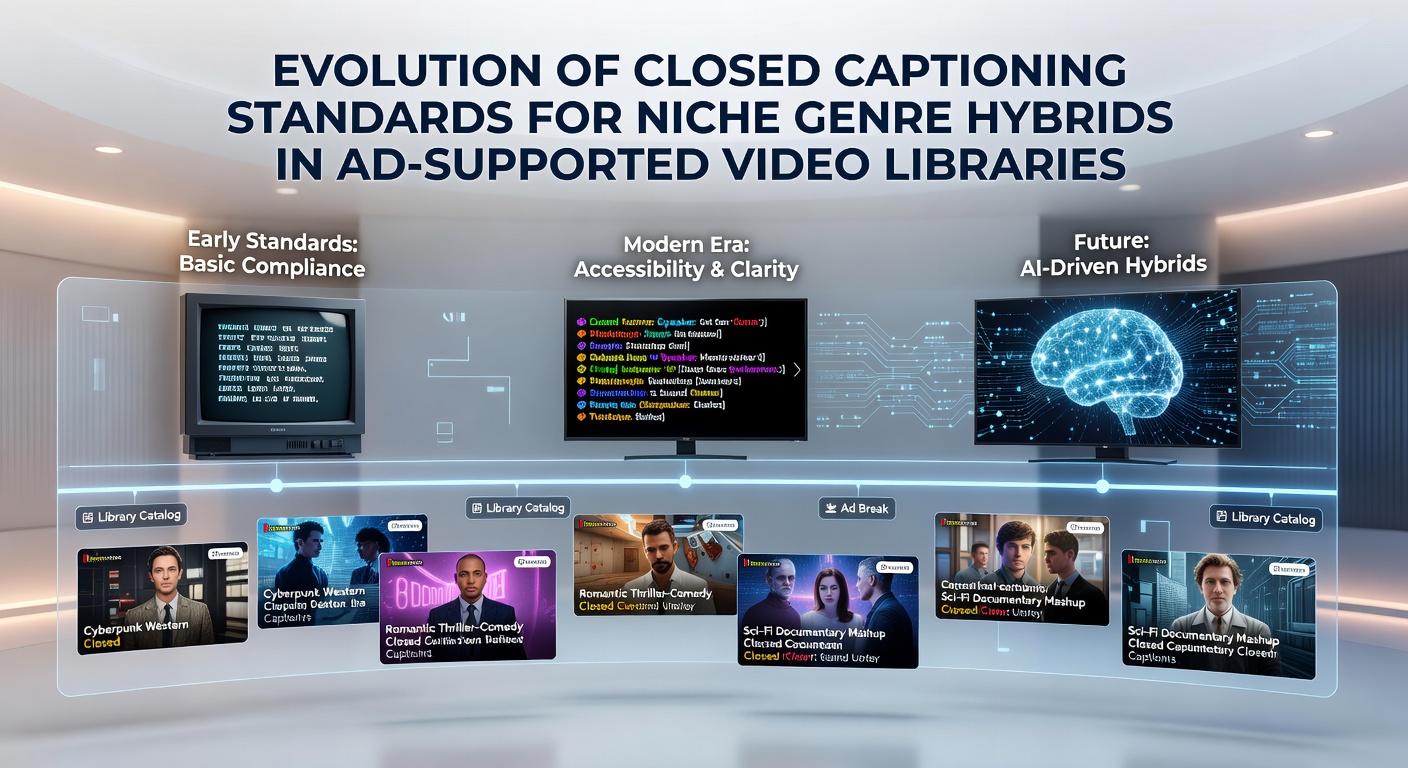
Closed captioning began as a basic accessibility tool for broadcast television yet expanded over decades to meet the demands of complex audio environments found in blended genre programming. Early systems focused on simple dialogue transcription while later iterations incorporated sound effect notations and speaker identification that prove essential when narratives shift between horror elements and comedic timing within the same sequence. Standards organizations established core specifications that addressed both linear broadcasts and the fragmented playback patterns typical of ad-supported video libraries where viewers encounter frequent interruptions.
Foundational Developments in Caption Specifications
Regulatory bodies in North America and Europe introduced initial requirements during the 1970s and 1980s that centered on synchronized text delivery for network programming. The transition to digital formats prompted updates that accommodated multiple language tracks and detailed audio descriptions because hybrid genres often layer atmospheric sounds from one tradition over dialogue patterns from another. Data collected by the Federal Communications Commission shows that compliance rates increased steadily after the adoption of enhanced digital protocols that allowed precise timing adjustments during commercial breaks.
Those working with ad-supported platforms observed that caption files needed to remain intact across segmented playback sessions and this requirement drove refinements in file formatting standards. Research from the Canadian Radio-television and Telecommunications Commission indicates that viewer retention metrics improved when captions preserved continuity through abrupt genre transitions such as those found in science fiction mystery hybrids.
Technical Adaptations for Genre Fusion Content
Modern caption systems integrate metadata tags that identify shifts in tone or pacing which helps maintain clarity during sequences where action sequences blend with musical interludes. Engineers developed methods to embed speaker attribution and non-speech sound indicators directly into the caption stream so that audiences following niche content receive consistent information regardless of how often advertisements interrupt the flow. These adjustments proved particularly useful in libraries that host user-generated or independently produced material featuring unconventional genre combinations.
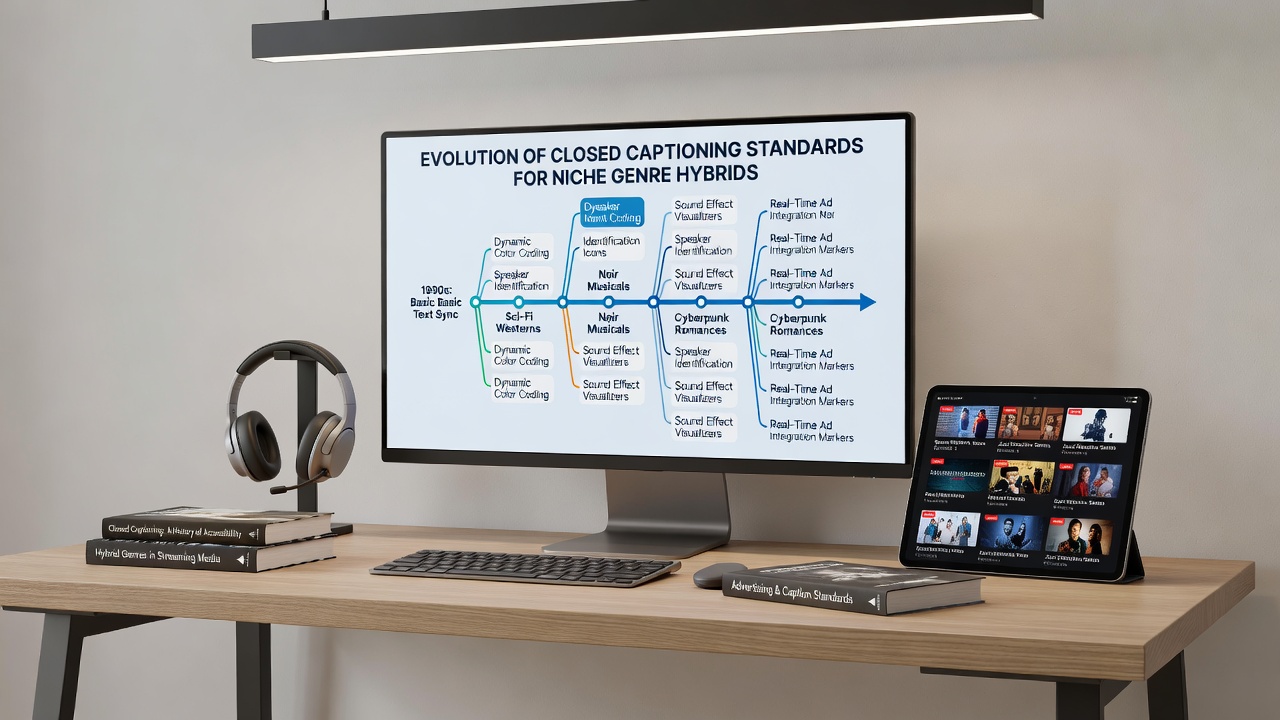
Industry reports from 2025 documented increased demand for caption support in content that merges documentary techniques with fictional drama and this trend prompted further protocol enhancements. Standards bodies examined synchronization challenges that arise when rapid cuts between visual styles coincide with commercial insertion points and they responded with updated guidelines scheduled for broader implementation by June 2026. Such changes allow caption providers to maintain narrative coherence while accommodating the variable ad loads common in free streaming services.
Integration With Platform Infrastructure
Ad-supported repositories rely on automated systems that pair caption files with content segments and these systems evolved to handle the additional descriptive layers required by hybrid genres. Observers note that precise timing markers now account for both spoken lines and ambient cues that define mood shifts within a single episode. European Broadcasting Union documentation highlights collaborative efforts across regions to standardize these markers so that international distribution remains feasible without loss of accessibility features.
Platform operators implemented verification processes that check caption integrity after each ad insertion cycle and the results feed into ongoing refinements of delivery specifications. Academic studies conducted at institutions focused on media accessibility confirm that accurate caption placement correlates with higher completion rates for viewers engaging with less conventional genre mixes. These findings encouraged continued investment in tools that automate the generation of detailed captions while preserving artistic intent.
Future Directions in Caption Standards
Emerging protocols emphasize compatibility with variable playback speeds and device-specific rendering which benefits audiences accessing niche hybrids on mobile platforms. Regulatory updates scheduled through 2026 aim to incorporate feedback from both content creators and accessibility advocates to ensure captions support increasingly layered audio designs. Organizations monitoring global streaming trends report that ad-funded libraries continue to expand their hybrid offerings and caption standards must keep pace with these developments to maintain equitable access.
Conclusion
The progression of closed captioning standards reflects ongoing responses to changes in content production and distribution models. Technical refinements have enabled consistent support for genre-blended material across ad-supported environments while regulatory coordination across regions has promoted broader compatibility. Continued evolution through scheduled guideline updates positions these systems to address future demands in digital video repositories.