Unlocking Visual Stories: The Role of Audio Description in Enhancing Video Library Accessibility
Ben Vogel · Jun 13, 2026
Unlocking Visual Stories: The Role of Audio Description in Enhancing Video Library Accessibility
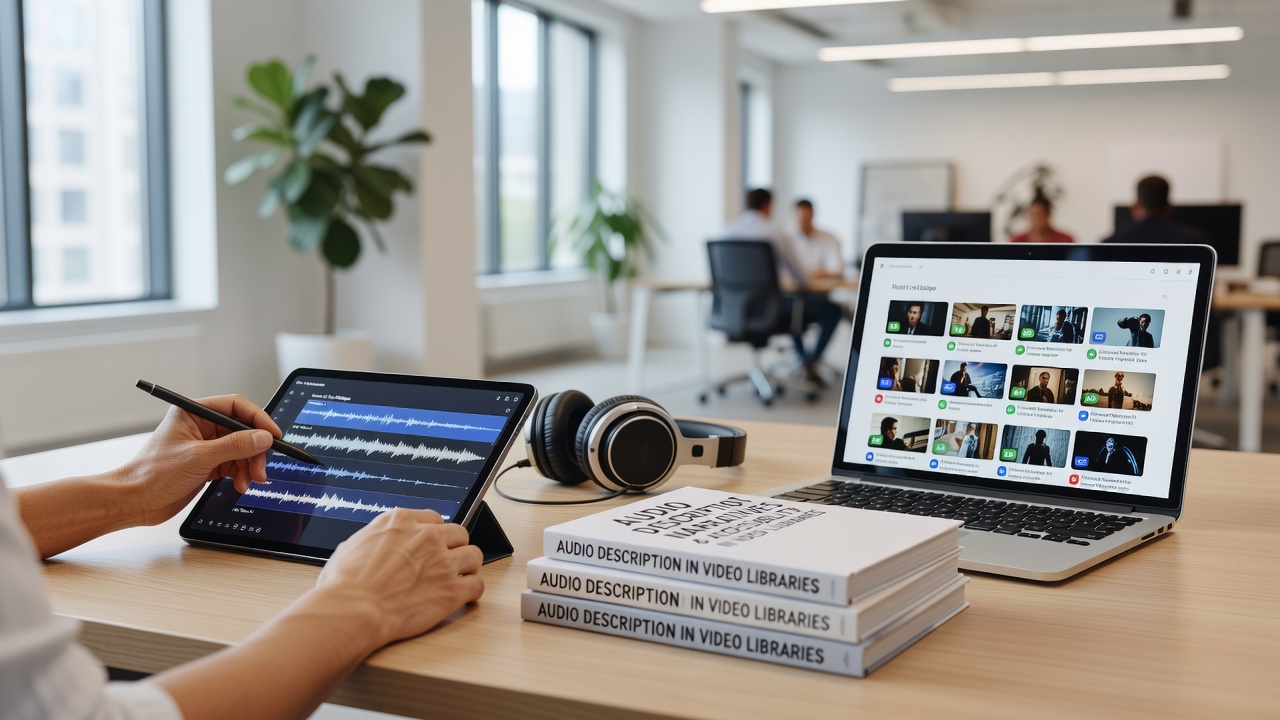
Audio description narratives function as spoken accounts that convey visual information in films, television programs, and other video content, enabling people with visual impairments to access details such as actions, settings, and expressions that appear on screen. These narratives integrate into contemporary video libraries through dedicated audio tracks, and they operate alongside standard soundtracks without disrupting dialogue or music. Research indicates that standardized practices for creating these descriptions emerged from collaborative efforts among broadcasters, accessibility advocates, and technology developers over recent decades.
Core Elements of Effective Audio Description
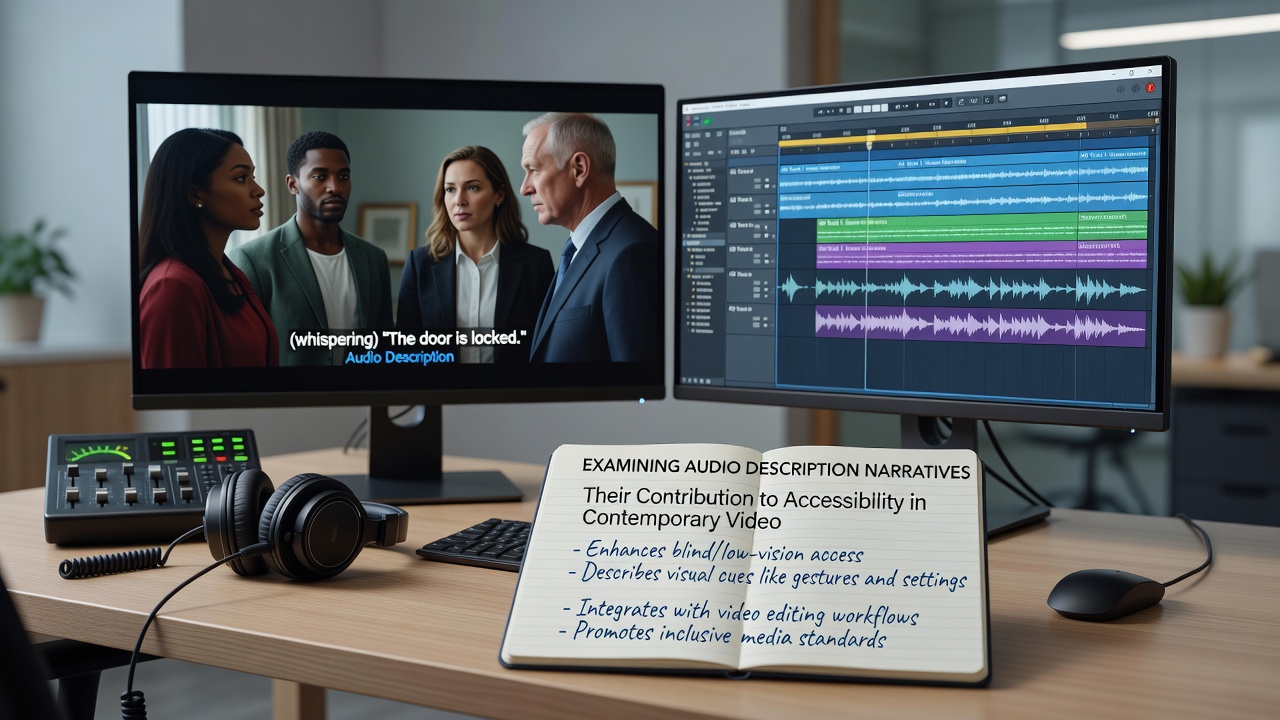
Professionals craft audio descriptions by selecting key visual elements that advance the narrative or provide essential context, while they time insertions to avoid overlapping spoken words. Narrators deliver these descriptions in a neutral tone that matches the content's pace, and they prioritize clarity so listeners can form mental images of scenes. Data from accessibility evaluations shows that concise phrasing combined with precise vocabulary improves comprehension rates among users, whereas overly detailed accounts can lead to information overload during fast-paced sequences.
Video libraries implement these features through metadata tagging systems that flag content with available audio description tracks, allowing platforms to surface options automatically for eligible viewers. Standards developed by international bodies emphasize consistency in description style across genres, from action sequences that require dynamic movement details to dramatic scenes focused on character interactions and emotional cues.
Integration Across Digital Platforms and Libraries
Contemporary streaming repositories incorporate audio description into their catalogs by partnering with description providers who generate tracks during post-production or through retroactive additions for older titles. Platforms manage these additions by embedding them in file structures that support multiple audio layers, and users activate the feature via simple menu selections. Figures from industry reports reveal steady growth in the percentage of titles offering this service, driven by regulatory requirements in multiple regions and voluntary commitments from major content distributors.
Observers note that libraries benefit when description narratives align with existing subtitle and caption systems, creating layered access options that serve diverse audience needs simultaneously. In June 2026 several major repositories announced expanded rollout of AI-assisted description tools that generate initial drafts for human review, accelerating the process while maintaining quality thresholds set by established guidelines.
Measurable Contributions to Viewer Engagement
Studies conducted by research institutions document higher completion rates for described content among target audiences, with patterns showing increased session durations when descriptions provide sufficient visual context. These contributions extend beyond individual viewing sessions to broader participation in cultural discussions and educational applications, where described media supports inclusive classroom activities and public screenings. Evidence from platform analytics indicates that libraries retaining described versions experience improved retention metrics across user segments, as the feature reduces barriers that previously limited access.
One documented case involved a European archive that added descriptions to its historical film collection, resulting in documented increases in downloads from visually impaired researchers who previously relied on textual summaries alone. Such examples illustrate how narrative descriptions transform static archives into dynamic resources that support independent exploration.
Technical Standards and Quality Assurance
Organizations such as the World Wide Web Consortium publish guidelines that outline scripting techniques, timing protocols, and testing procedures for audio description tracks. Compliance frameworks in countries including Canada and Australia require periodic audits of description accuracy, and these audits compare narrated content against original visuals to verify completeness. Technical specifications also address delivery methods, ensuring compatibility with screen readers, smart speakers, and mobile applications used to access video libraries.
Quality control processes involve multiple reviewers who assess descriptions for neutrality, relevance, and flow before final approval. Training programs for describers emphasize subject matter expertise across genres, while feedback loops from end users help refine approaches over time. Platforms track error rates and user satisfaction scores to guide iterative improvements in their description pipelines.
Future Developments in Accessibility Features
Emerging technologies explore real-time description generation for live broadcasts, building on existing captioning infrastructure to extend access during events and news programming. Collaborative projects between academic researchers and library operators test hybrid models that combine human narration with automated elements, aiming to scale services without sacrificing descriptive depth. Data collected through user testing continues to inform refinements in narrative style and integration methods.
Global coordination efforts seek to harmonize description standards across borders, facilitating easier exchange of tracks between regional libraries and reducing duplication of effort. These developments position audio description as an evolving component within larger accessibility ecosystems that encompass captions, sign language interpretation, and adaptable playback controls.
Conclusion
Audio description narratives contribute to accessibility by translating visual storytelling into auditory formats that integrate seamlessly with modern video libraries. Through established practices, technical standards, and ongoing innovation, these features expand participation opportunities for viewers who rely on them. Continued investment in quality production and platform integration sustains their role in creating inclusive media environments worldwide.