Utilizing Interactive Episode Guides to Track Viewer Retention Across Global Streaming Services Featuring Varied Series Lineups
Ben Vogel · Jun 2, 2026
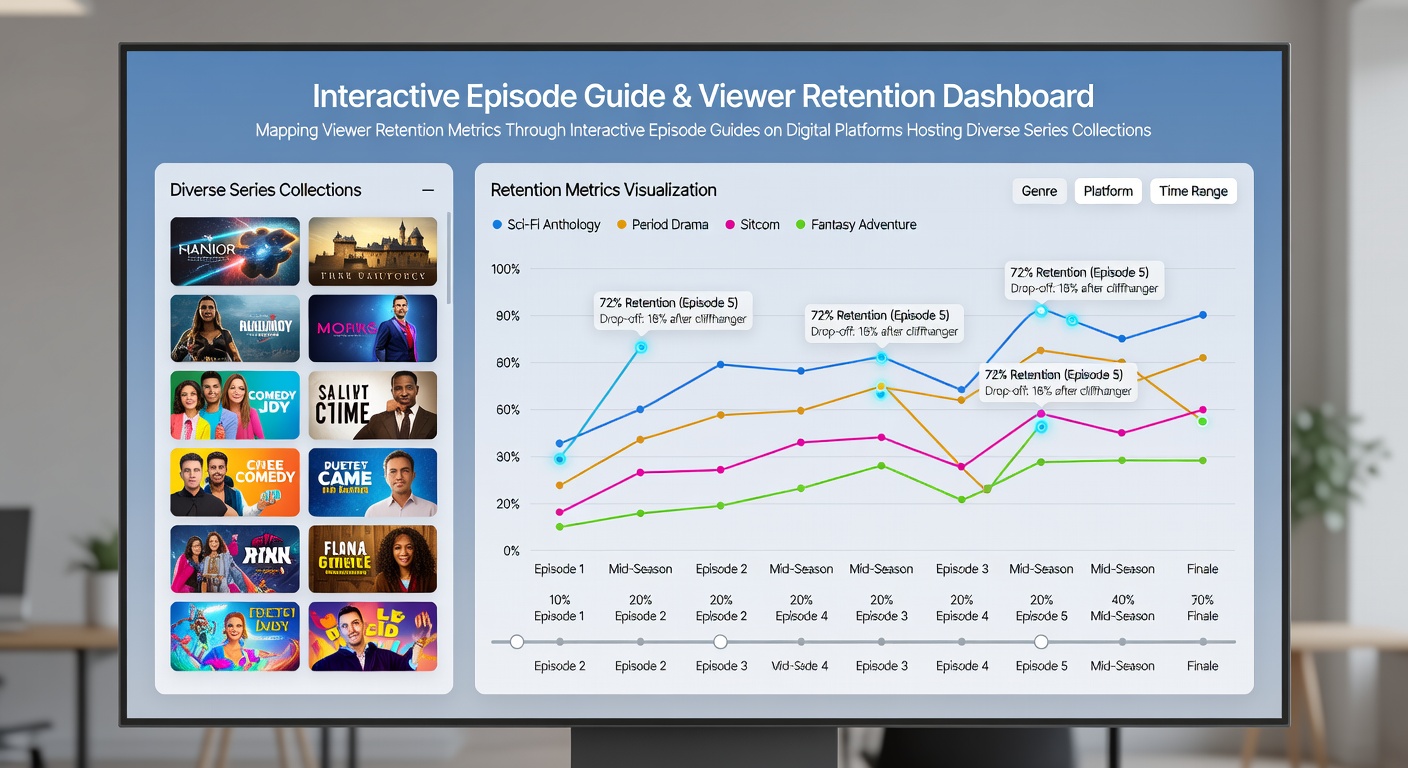
Utilizing Interactive Episode Guides to Track Viewer Retention Across Global Streaming Services Featuring Varied Series Lineups
Digital platforms hosting diverse series collections have adopted interactive episode guides as tools for mapping viewer retention metrics, and these systems allow precise tracking of audience behavior across multiple seasons and genres. Researchers at institutions such as the Australian Communications and Media Authority have documented how users navigate these guides to select episodes while platforms simultaneously collect data on completion rates and drop-off points. The integration creates layered datasets that reveal patterns in how viewers progress through content libraries spanning dramas, comedies, and international productions.
Core Components of Interactive Episode Guides
Interactive episode guides typically feature clickable timelines, progress indicators, and personalized recommendations embedded directly within the viewing interface, and these elements connect user actions to backend analytics systems. Platforms organize data by episode duration, scene transitions, and viewer-initiated pauses, which produces granular insights into retention across collections that include both long-running series and limited miniseries. Observers note that such guides often incorporate heatmaps showing aggregate audience engagement levels at specific timestamps, allowing content providers to identify segments where interest wanes or spikes.
Systems process information from millions of sessions daily, and algorithms correlate guide interactions with overall session lengths. Data indicates that viewers who utilize chapter selectors within these guides demonstrate higher completion percentages for multi-episode arcs compared to those relying solely on autoplay functions. This distinction emerges clearly in platforms managing collections from varied regions, where cultural pacing differences influence how audiences traverse episodes.
Metrics Captured Through Guide Interactions
Retention metrics derived from interactive guides include episode completion ratios, rewatch frequency on specific installments, and navigation paths that skip introductory recaps or jump to key plot points. Analysts compile these figures to generate retention curves that plot audience persistence across entire seasons, and the resulting visualizations highlight differences between genres within the same platform library. For instance, crime procedurals often show steadier retention through mid-season episodes, whereas anthology formats exhibit more variable patterns tied to individual story arcs.
Platforms aggregate these metrics with demographic filters while maintaining user privacy standards, and reports from sources like the Canadian Radio-television and Telecommunications Commission illustrate regional variations in how audiences engage with guide features. In June 2026, several services updated their guide interfaces to include real-time retention feedback for creators, enabling adjustments to upcoming episodes based on live viewer data streams. This development builds upon earlier frameworks that linked guide usage to subscription renewal predictions.
Implementation Across Diverse Content Libraries
Streaming services with extensive international catalogs apply interactive guides to bridge language and cultural gaps, and users can access subtitle toggles or dubbed audio options directly from episode navigation menus. These features feed into retention analysis by recording whether viewers continue after switching languages or abandon sessions during translation-heavy segments. Evidence from academic studies at European research centers shows that precise mapping through guides helps platforms optimize release schedules for dubbed content, particularly when series collections mix original-language productions with localized adaptations.
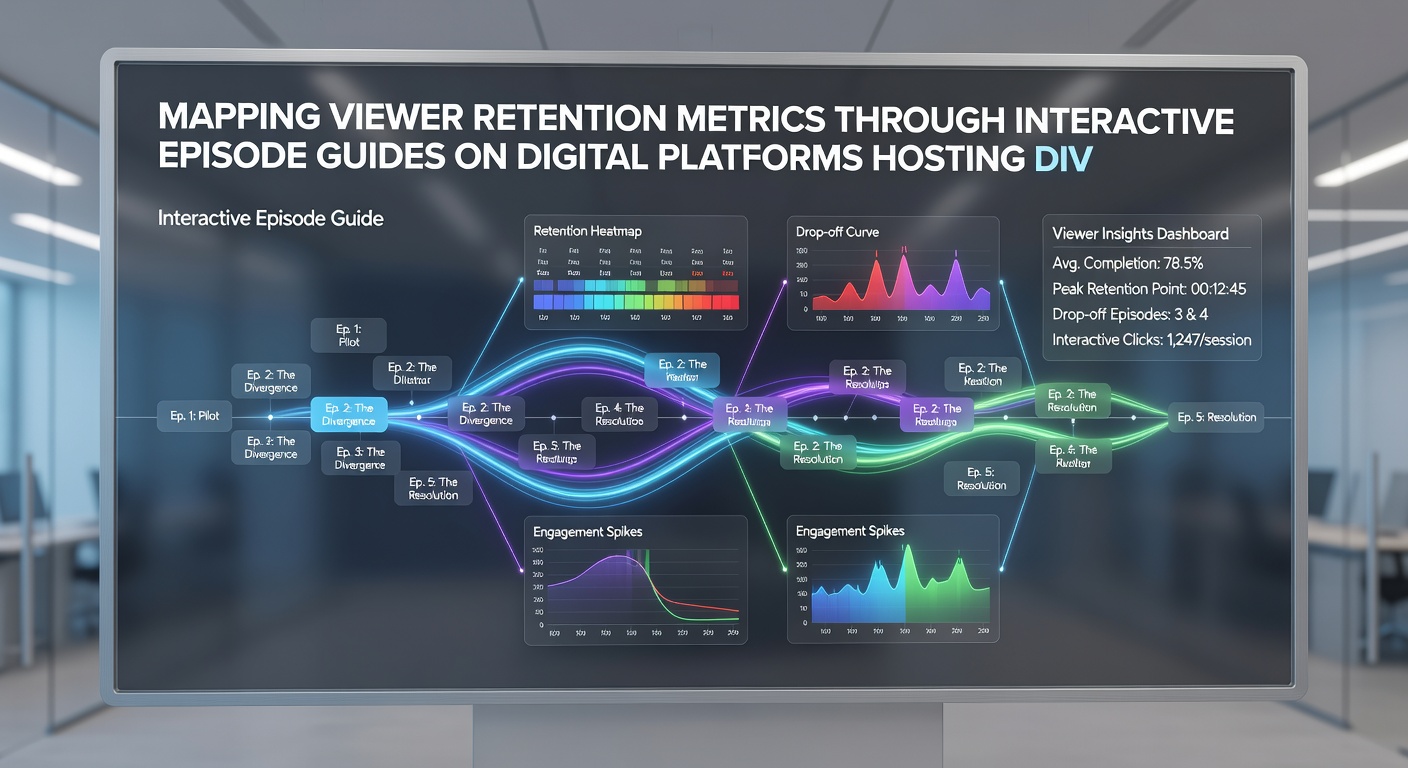
Technical architectures supporting these tools rely on API connections between front-end guides and centralized databases, while machine learning models refine predictions of future retention based on historical navigation trails. Those who manage such platforms report that hybrid series blending multiple genres benefit most from detailed episode-level tracking, as audiences tend to sample selectively rather than commit to full seasons. The ball remains in the court of developers to refine these systems further as content libraries expand.
Analytical Techniques and Platform Outcomes
Statistical methods applied to guide-derived data encompass cohort analysis and survival modeling, and these approaches quantify how long specific viewer segments remain engaged before exiting. Platforms compare retention metrics between users who frequently consult interactive guides and those who do not, revealing that guided navigation correlates with extended viewing sessions across diverse collections. What's interesting is the way these insights influence content acquisition decisions, where services prioritize series demonstrating strong mid-episode retention in comparable libraries.
External benchmarks from organizations including the Federal Communications Commission provide context on broader industry trends in audience measurement, and platforms incorporate similar standards into their internal reporting. Case examples include services that adjusted episode ordering in anthology collections after guide data exposed consistent drop-offs at certain transition points. Such adjustments have produced measurable lifts in overall series completion rates without altering creative elements.
Conclusion
Interactive episode guides serve as foundational instruments for mapping viewer retention metrics on platforms that host wide-ranging series collections, and the resulting datasets support targeted improvements in content presentation and scheduling. Continued refinement of these tools, informed by ongoing data collection through June 2026 and beyond, positions digital services to better understand audience persistence across varied programming formats and regional markets.