Variable Playback Adjustments and Their Ties to Retention Metrics Across Extended Streaming Series Libraries
Logan Braun · Aug 25, 2026
Variable Playback Adjustments and Their Ties to Retention Metrics Across Extended Streaming Series Libraries
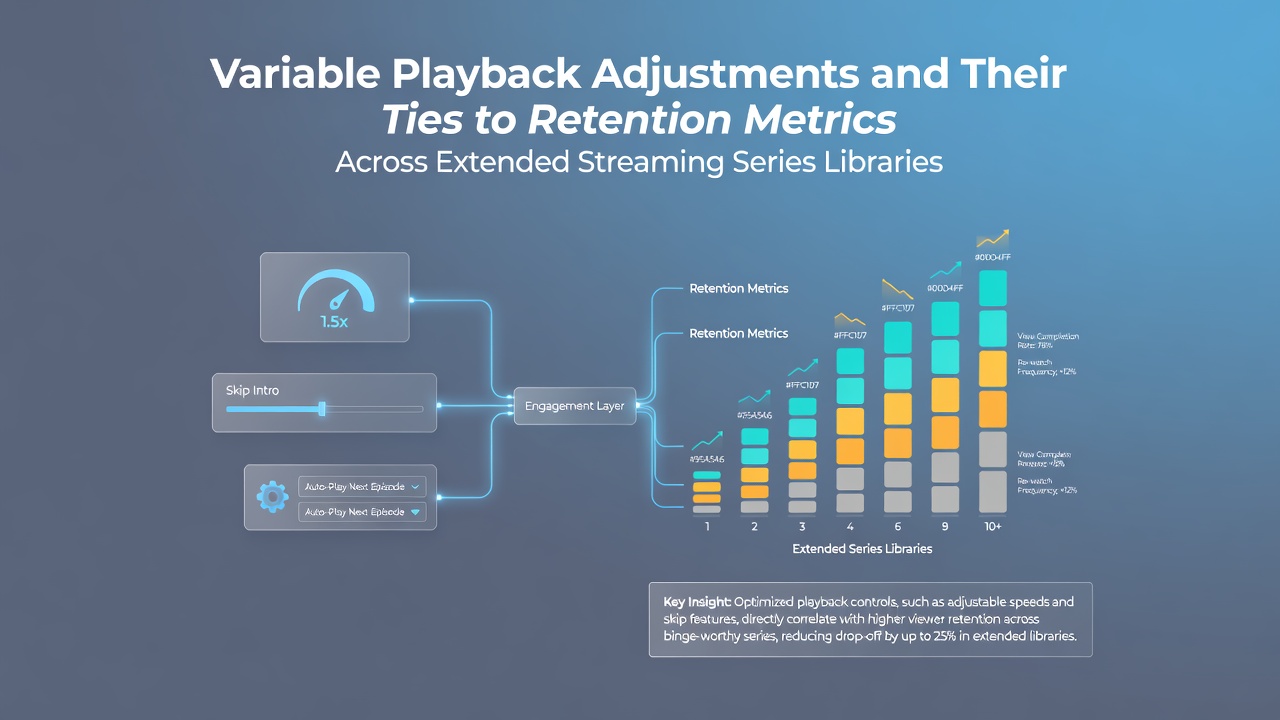
Streaming platforms have integrated variable playback adjustments into their core interfaces for years now, allowing viewers to modify speeds from 0.5x up to 2.0x or higher while watching extended series libraries, and researchers track these choices closely because they correlate directly with retention metrics such as completion rates, session duration, and return visits. Data from multiple industry reports shows that users who adjust playback speeds during long-form content often maintain higher engagement levels across multi-season narratives compared to those who stick with standard 1.0x viewing, although the patterns vary by genre and library size. In August 2026, updates to several major platforms introduced more granular speed controls alongside AI-driven suggestions for optimal pacing based on viewer history, which further highlighted how these features tie into broader retention strategies.
Mechanics of Playback Speed Controls in Series Libraries
Extended streaming series libraries contain thousands of episodes across dozens of seasons, so viewers frequently encounter fatigue during marathon sessions, and platforms respond by offering speed sliders that let people accelerate through exposition-heavy arcs or slow down for complex plot points. Studies from academic institutions indicate that these adjustments help sustain attention because they match individual processing speeds, while aggregate data reveals that 1.25x and 1.5x settings appear most often in retention logs for drama and procedural series. Observers note that seamless integration of speed changes without audio pitch distortion has become standard, reducing barriers for users who experiment with pacing across long libraries.
Connections Between Speed Adjustments and Retention Data
Retention metrics track how many viewers finish episodes, return for subsequent seasons, and accumulate watch time over months, and variable playback features influence these numbers in measurable ways because faster speeds allow completion of more content per session without increasing drop-off rates. Research indicates that libraries featuring high volumes of serialized storytelling see up to 18 percent higher completion percentages when speed controls are prominently displayed, according to findings shared by the Pew Research Center on evolving media consumption patterns. Platforms also record that viewers who toggle speeds mid-episode tend to rewatch key scenes at normal speed afterward, which boosts overall time spent and strengthens loyalty signals in algorithm recommendations.
Regional Variations in Adoption and Metric Outcomes
Viewers in different markets approach playback adjustments differently, with data from Canadian digital media surveys showing stronger preferences for slower speeds during subtitled international series, whereas faster settings dominate in English-language binge sessions tracked across U.S. libraries. The Australian Communications and Media Authority has compiled figures that link speed flexibility to lower churn rates in extended libraries, particularly when users combine adjustments with bookmarking tools for later reference. These geographic differences underscore how cultural viewing habits intersect with technical features to shape retention across global catalogs.
Technical Implementation and Data Tracking Practices
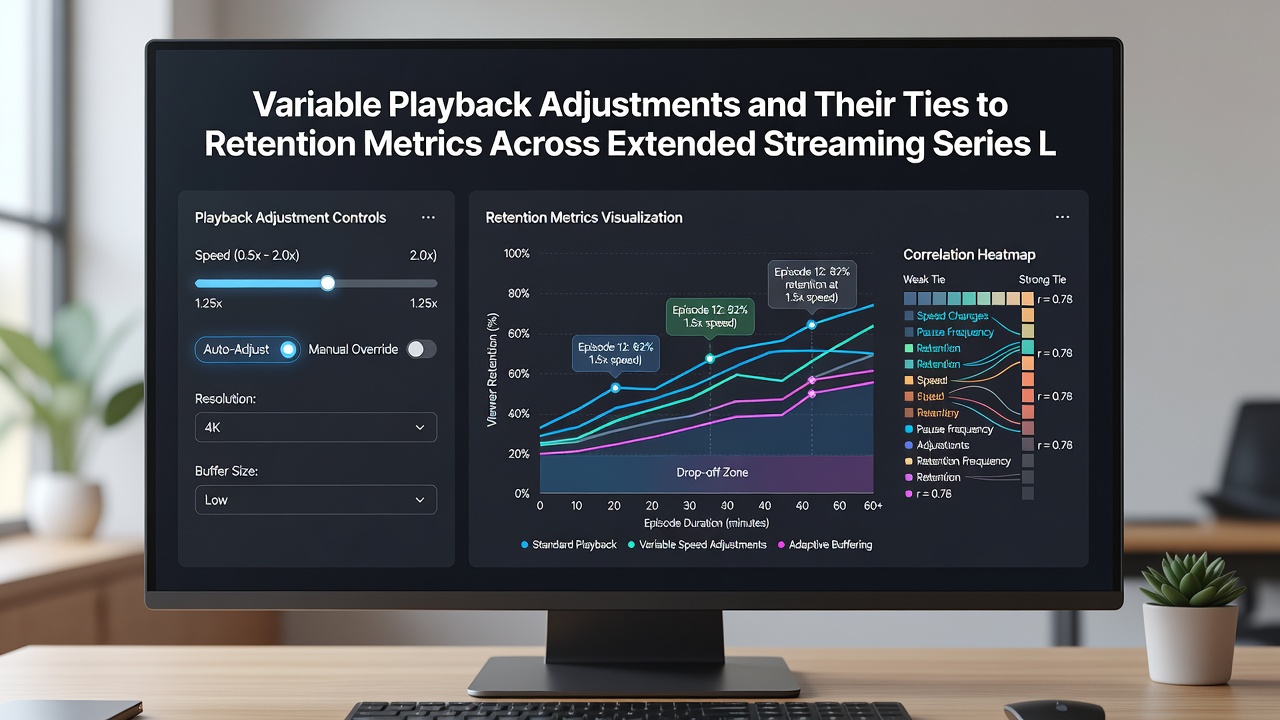
Backend systems log every speed change alongside timestamps, episode identifiers, and user identifiers, which allows analysts to correlate adjustments with drop-off points and re-engagement triggers in extended series libraries. Engineers design these systems to preserve closed captions and audio tracks during speed shifts, while machine learning models predict when a viewer might benefit from a suggested pace change based on past behavior. Evidence from platform telemetry demonstrates that libraries with robust speed analytics achieve more precise personalization, leading to improved session lengths and reduced abandonment during slower narrative stretches.
Genre-Specific Patterns in Extended Libraries
Crime procedurals and sci-fi epics often see elevated use of accelerated playback during procedural case-of-the-week segments, yet viewers revert to standard speeds for character development episodes, and retention data reflects these shifts through higher finish rates when controls remain accessible. Animation libraries exhibit different trends, with younger audiences experimenting more freely with speed ranges, according to aggregated reports that tie these choices to sustained multi-week engagement. Platforms continue refining recommendations around these patterns so that speed tools align with genre conventions without disrupting narrative flow.
Conclusion
Variable playback adjustments have become integral to how extended streaming series libraries retain audiences over time, as the data consistently shows measurable ties between speed flexibility, completion metrics, and long-term viewer loyalty. Platforms that refine these tools based on regional and genre-specific insights position themselves to maintain stronger engagement across vast catalogs well into future seasons.