Vault to Screen: The Detailed Process Behind Digitizing Iconic Film Archives
Ben Vogel · Jul 11, 2026
Vault to Screen: The Detailed Process Behind Digitizing Iconic Film Archives
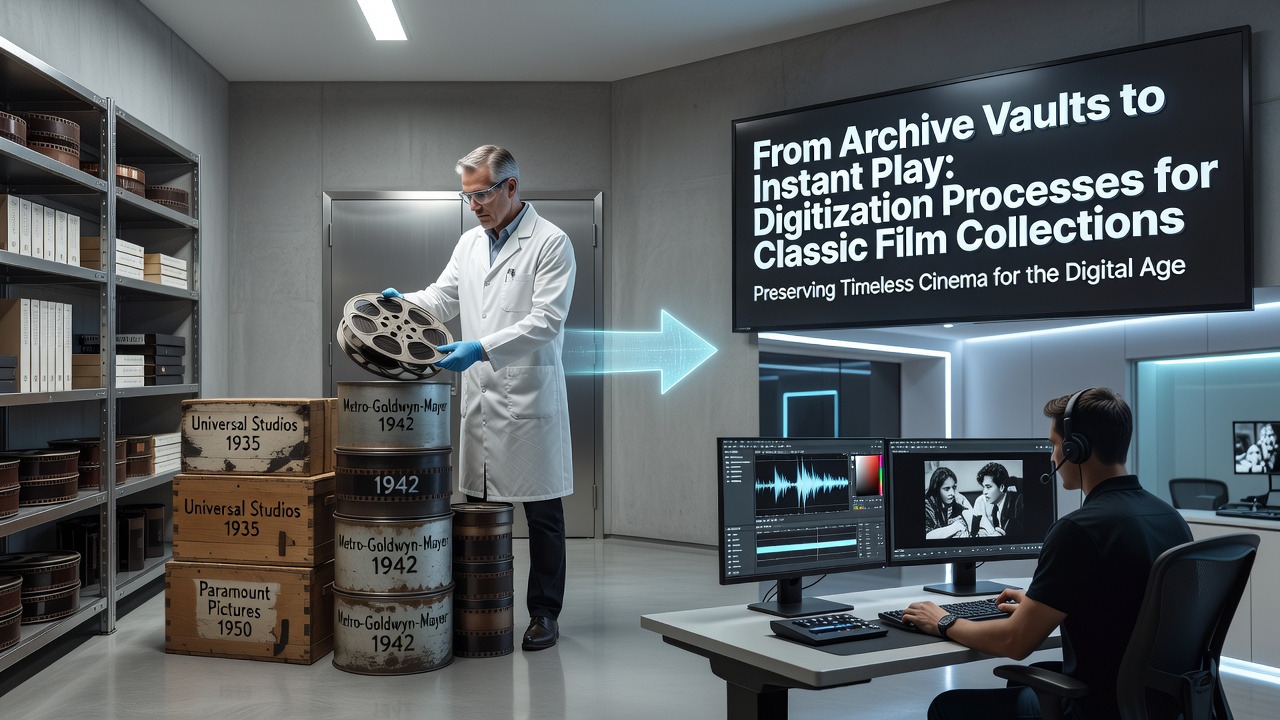
Classic film collections begin their transformation in climate-controlled vaults where acetate and nitrate reels have rested for decades and the move to digital formats starts with careful inventory assessments conducted by preservation specialists at institutions worldwide. These assessments identify film stock types, gauge levels of degradation, and prioritize titles based on cultural significance along with physical condition. Data from the Library of Congress indicates that over 70 percent of American silent films produced before 1930 survive only in fragmented or deteriorated prints, which drives systematic digitization initiatives that began accelerating in the early 2000s.
Initial Inspection and Preparation Stages
Archivists first unspool each reel under controlled lighting to check for shrinkage, brittleness, and chemical decay while noting splices and edge codes that help date the material and once inspection concludes the film receives gentle cleaning to remove surface dust and oils that could interfere with later scanning. Technicians apply specialized lubricants when necessary and repair damaged perforations using archival-grade tape so the reel can withstand transport through high-resolution scanners without further tearing. This preparation phase often takes several hours per title yet it prevents costly interruptions during the actual capture process.
High-Resolution Scanning and Capture Techniques
Scanning occurs on machines capable of 4K or 8K output where the film passes frame by frame past a precision light source and digital sensor that records each image at 16-bit color depth and the resulting files capture subtle grain structures and dye variations that analog projection could never fully reveal. Facilities such as those operated by the British Film Institute employ wet-gate scanning for heavily scratched prints because the liquid medium fills surface imperfections and reduces visible artifacts in the final digital master. Multiple passes at different exposures sometimes combine into a single composite file that preserves both highlight and shadow detail across scenes with extreme contrast ranges.
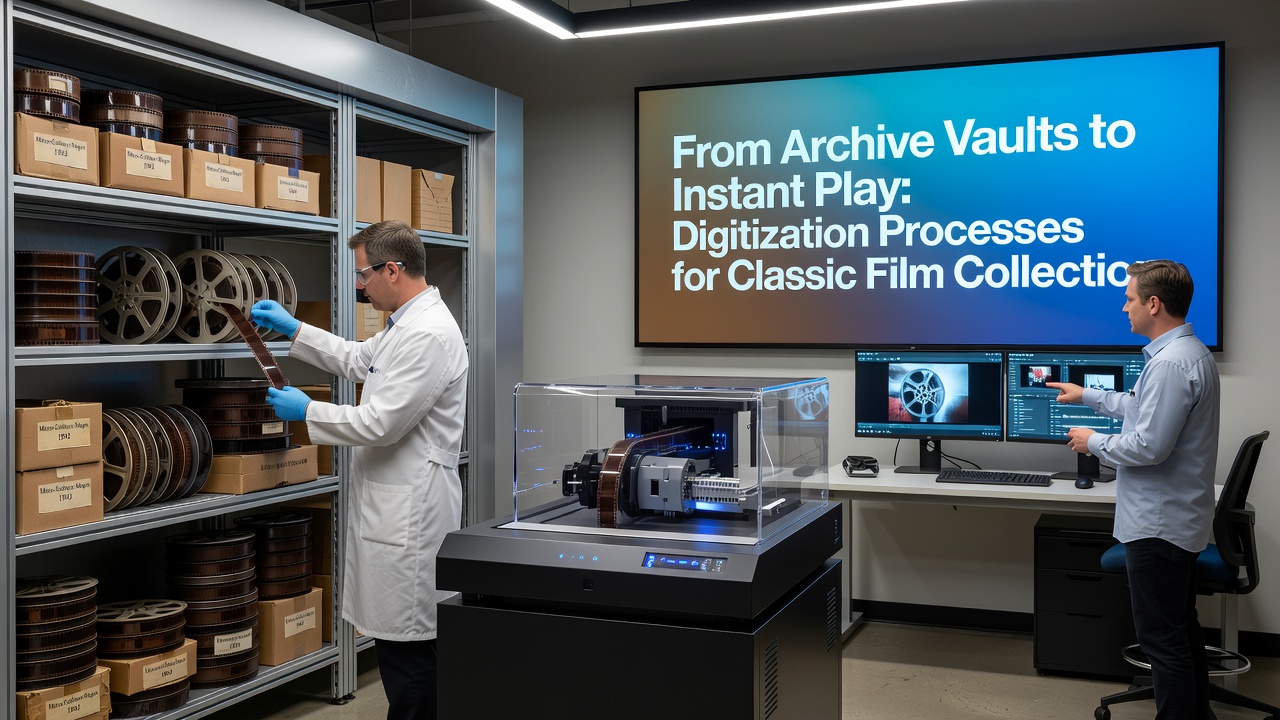
Sound elements receive separate treatment when optical tracks or magnetic stripes accompany the picture and technicians transfer these to digital audio workstations where noise reduction algorithms target hiss and crackle without altering original dialogue frequencies. Synchronization then aligns restored audio with the newly scanned images down to the individual frame, which ensures lip movements match spoken lines exactly after color timing adjustments follow.
Restoration, Color Grading, and Metadata Integration
Digital restoration teams remove dirt, stabilize jittery frames, and reconstruct missing sections using surrounding frames as reference while colorists work under calibrated monitors to match original release prints or surviving production stills. The process relies on historical documentation from studios and cinematographers notes because many early films lack consistent color records and the European Audiovisual Observatory reports that coordinated international projects have standardized grading protocols across multiple archives since 2022. Metadata tagging occurs simultaneously with entries for cast, crew, release dates, and technical specifications stored in databases that support search and retrieval on modern platforms.
Storage solutions shift from physical canisters to redundant server arrays and cloud repositories where checksum verification runs regularly to detect bit-level corruption and institutions maintain both high-bitrate master files alongside compressed derivatives optimized for various distribution channels. July 2026 marks the scheduled completion of a multi-year collaboration between North American and Australian archives that will add several hundred restored titles to public domain collections, expanding access for researchers and general viewers alike.
Access, Distribution, and Ongoing Challenges
Once files receive final approval they move into content delivery networks that support instant playback on streaming services and educational portals where users encounter these titles through searchable catalogs equipped with subtitle options and adjustable playback speeds. Rights management systems track clearances for music and underlying literary works to prevent unauthorized use while open-access initiatives from government-funded bodies continue to release public domain materials without restriction. Observers note that bandwidth demands increase with higher resolutions yet adaptive streaming protocols automatically adjust quality based on connection speed to maintain consistent viewing experiences.
Conclusion
The complete workflow from vault inspection through final digital delivery demonstrates how technical precision and institutional coordination convert fragile analog artifacts into durable, widely accessible media and continued investment in scanner technology along with staff training ensures future generations retain direct contact with cinematic history through reliable digital preservation methods.